April 2, 2026
In today’s highly competitive online marketplace, images play a crucial role in attracting customers, improving search engine rankings, and driving sales. For e-commerce sellers, photographers, and digital agencies, having visually appealing images is not enough. Those images must also be optimized properly so that search engines can understand them and users can load them quickly.
Image optimisation is a powerful strategy that enhances website performance, improves SEO, and ultimately increases conversions. When done correctly, optimized images help search engines index your content, improve page speed, and create a better user experience for visitors.
In this article, we will explore how image optimisation improves SEO, why it matters for e-commerce businesses, and how professional photo editing services can help boost online sales.
Image optimisation is the process of reducing the file size of images while maintaining high visual quality so that they load quickly and perform well on websites. It also includes adding proper file names, alt text, structured metadata, and the right image format.
The goal of image optimisation is to ensure that images:
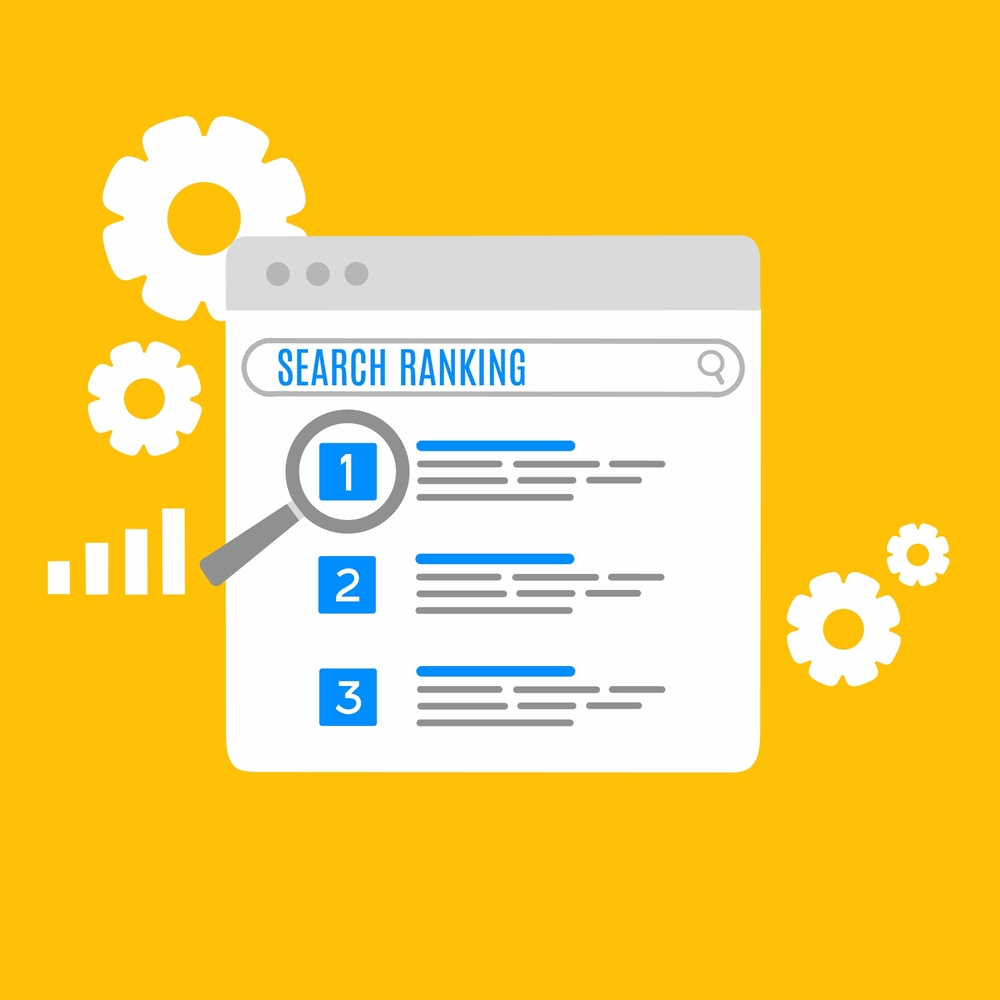
For businesses that rely heavily on visuals—such as e-commerce stores, photography websites, and digital portfolios—image optimisation is a critical component of digital marketing success.
Search engines cannot interpret images the same way humans do. They rely on signals such as file names, alt tags, surrounding text, and structured data to understand what an image represents.
When images are optimized properly, they help search engines understand your content better, which improves your chances of ranking higher in search results.
Optimized images also appear in image search results, which can drive significant traffic to your website.
For example, when someone searches for products like:
Google may display image results before regular website links. If your product images are optimized, they can appear in those results and attract potential buyers.
One of the biggest SEO ranking factors is page speed. Websites with slow loading pages often experience higher bounce rates and lower search engine rankings.
Large, unoptimized images are one of the main causes of slow websites.
When images are optimized properly:
For e-commerce stores that display dozens or even hundreds of product images, proper image optimisation can dramatically improve website performance.
A faster website also improves mobile usability, which is extremely important since most online shoppers now browse using smartphones.
User experience plays a major role in both SEO and online sales. Visitors expect websites to load quickly and display clear, professional images.
Poor-quality images or slow loading visuals can make a website appear unprofessional and unreliable.
Optimised images ensure that:
For online shoppers, images are often the closest thing to physically seeing a product. High-quality visuals combined with fast loading times create a positive shopping experience.
This improved experience increases trust and encourages visitors to stay longer on the site.
Optimized images can rank in Google Image Search, which is a major traffic source for many websites.
Millions of users search for products using image results. If your images appear in those searches, they can generate new visitors and potential customers.
Proper image optimisation helps search engines understand your visuals and display them in relevant search queries.
Important factors include:
For example, instead of naming an image:
IMG_4821.jpg
A better optimized file name would be:
handmade-leather-wallet.jpg
This simple change makes it easier for search engines to identify the image and show it in relevant search results.
High-quality optimized images do more than improve SEO—they also increase sales.
When customers shop online, they rely heavily on product images to make buying decisions.
Professional product images help customers:
When images load quickly and look professional, customers are more likely to complete a purchase.
Research consistently shows that better product images can significantly increase conversion rates in e-commerce stores.
To fully benefit from image optimisation, businesses should implement several important techniques.
The first step in image optimisation is using high-quality source images.
Blurry or poorly lit photos reduce trust and make products look less appealing. Professional photo editing services can improve image clarity, brightness, contrast, and overall quality.
Clean, professional visuals make a strong impression on potential buyers.
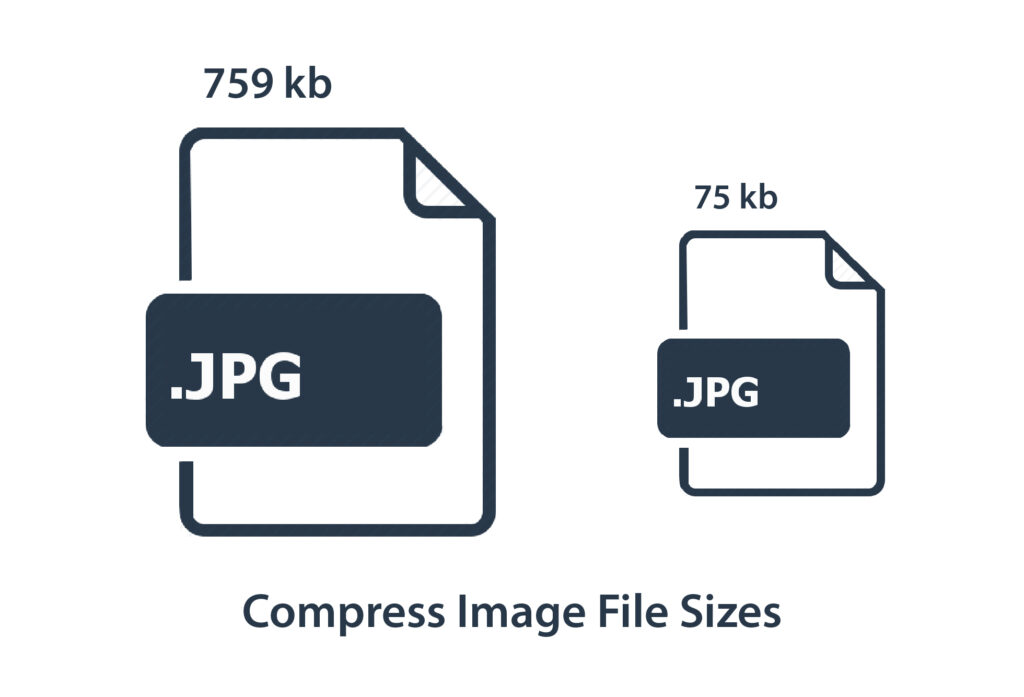
Large image files slow down websites. Image compression reduces file sizes without sacrificing visual quality.
Optimized images allow websites to load faster while still displaying sharp, attractive visuals.
Several tools and editing techniques can reduce file size significantly while preserving quality.
Different image formats are suitable for different purposes.
Common formats include:
Using the correct format helps maintain quality while improving performance.
Search engines rely on file names to understand images.
Instead of using random numbers or camera-generated names, use descriptive keywords related to the image.
For example:
Bad example:
IMG_12345.jpg
Optimized example:
black-leather-handbag.jpg
Clear file names improve image search visibility.
Alt text describes an image for search engines and screen readers.
It helps visually impaired users understand what the image represents and also provides SEO value.
Good alt text should:
Example alt text:
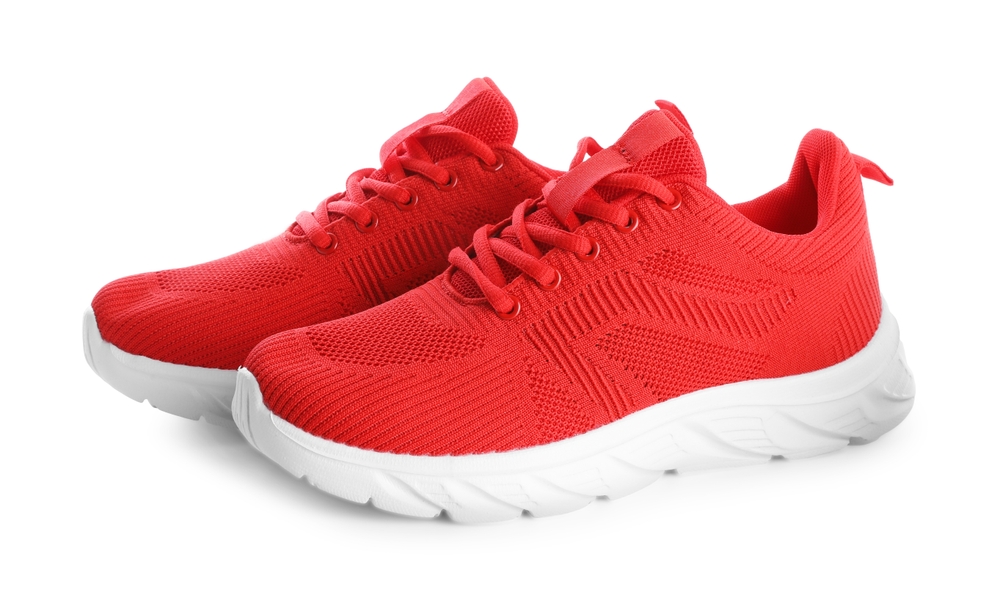
“High-quality white running shoes for men on a clean background.”
This description helps search engines understand the image context.
Consistent image sizes create a clean and professional website layout.
For e-commerce stores, uniform product images make the website look organized and visually appealing.
Consistent dimensions also help improve website loading performance.
Professional editing services can resize and standardize images to meet platform requirements.
While many businesses try to optimize images themselves, professional photo editing services provide significant advantages.
Experts in image editing can:
Professional editors ensure that images look polished, high-quality, and ready for e-commerce platforms.
Services such as clipping path, background removal, shadow creation, and retouching are especially useful for online stores.
These techniques help products stand out and attract more customers.
Different e-commerce platforms have specific image requirements.
Proper optimisation ensures that images display correctly and meet platform standards.
Popular platforms include:
Each platform recommends specific image sizes, file formats, and quality guidelines.
Professional image optimisation ensures that product photos meet those standards and appear attractive across all devices.
Visual consistency and quality are essential for building a strong brand identity.
When customers see clean, professional images across your website and product listings, they perceive the brand as trustworthy and reliable.
Optimised images help businesses:
This visual consistency helps brands stand out in competitive markets.

Many e-commerce companies, photographers, and agencies outsource image editing and optimisation to specialized service providers.
Outsourcing offers several advantages:
For businesses managing hundreds or thousands of product images, outsourcing image optimisation is often the most practical solution.
Professional services can process bulk images quickly while maintaining high quality.
For e-commerce sellers, photographers, and digital agencies, professional image optimisation can make a significant difference in both SEO and sales performance.
ClippingImages.com provides high-quality photo editing services designed to improve product visuals and website performance.
Services include:
These services help businesses create clean, professional product images that attract customers and improve online visibility.
By combining expert editing with proper optimisation techniques, businesses can significantly enhance their digital presence.
Image optimisation is one of the most effective yet often overlooked strategies for improving SEO and boosting online sales.
Optimized images improve website speed, enhance user experience, increase search engine visibility, and help convert visitors into customers.
For e-commerce sellers, photographers, and agencies, investing in professional image editing and optimisation can deliver powerful results.
High-quality, well-optimized images not only make products look better—they also help businesses rank higher in search engines and drive more revenue.
If you want your website to perform better, attract more visitors, and increase conversions, image optimisation should be a key part of your digital strategy.