April 23, 2026
In the highly competitive world of online retail, visuals are everything. Your product images are often the first—and sometimes the only—interaction a potential customer has with your brand. If your images fail to accurately represent your products, you risk losing credibility, increasing return rates, and ultimately reducing sales. This is where colour correction for e-commerce images becomes a critical part of your workflow.
Whether you are an e-commerce seller, professional photographer, or digital agency, mastering colour correction can significantly elevate your product presentation, improve customer trust, and boost conversions.
Colour correction is the process of adjusting the colours in an image to ensure they are accurate, consistent, and visually appealing. This involves fixing issues such as incorrect white balance, exposure problems, colour casts, and inconsistencies caused by lighting conditions or camera settings.
In e-commerce, colour correction is not about making images look overly artistic—it’s about making them true to life. Customers expect the product they receive to match what they see online. Even slight colour discrepancies can lead to dissatisfaction and product returns.
When customers see accurate colours, they feel confident that what they’re buying matches the image. Trust is essential for online businesses where buyers cannot physically inspect products.
One of the main reasons for product returns is colour mismatch. Proper colour correction minimizes this issue, saving time and money.
Consistent colour tones across your product catalog create a professional and cohesive brand image.
High-quality, colour-accurate images improve the shopping experience, encouraging customers to complete their purchases.
Even experienced photographers encounter colour problems. Some of the most common issues include:
A professional colour correction process typically follows a structured workflow:
White balance correction ensures that whites appear neutral and other colours are accurate. This is the foundation of colour correction.
Adjusting brightness, highlights, and shadows ensures the image is well-balanced and visually appealing.
Fine-tuning individual colour channels (red, green, blue) helps remove colour casts and restore natural tones.
Enhancing colours without overdoing it is crucial. Oversaturated images can look unrealistic and unprofessional.
Certain products—like clothing, jewelry, or food—require targeted adjustments to specific colours for accuracy.
Batch editing ensures all product images maintain the same tone and style, which is essential for e-commerce platforms.
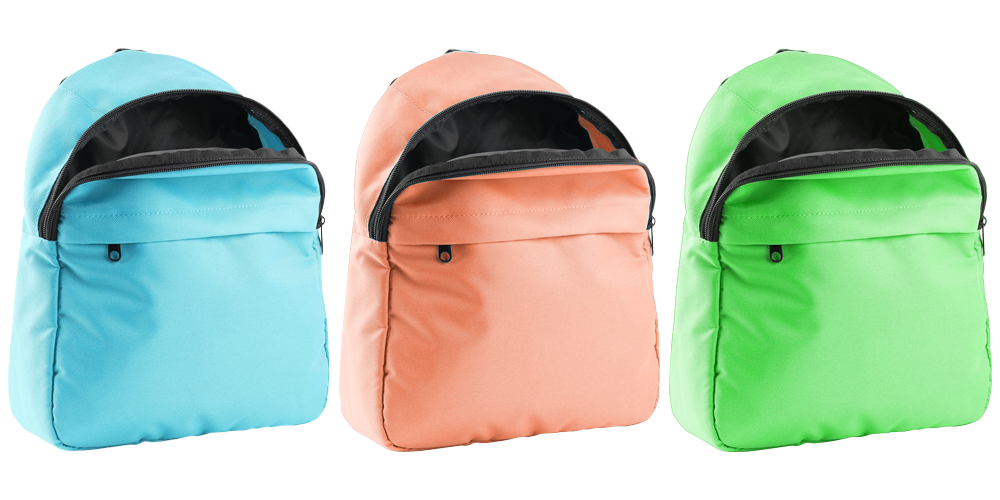
Professional image editors rely on advanced tools to achieve precise results:
These tools allow editors to work with advanced features such as curves, levels, colour grading panels, and masking.
Clothing requires extremely accurate colour representation. Customers rely heavily on visuals when choosing colours. Editors often use reference samples to match colours precisely.
Colours should appear clean and neutral. Over-enhancement can misrepresent the product’s finish or material.
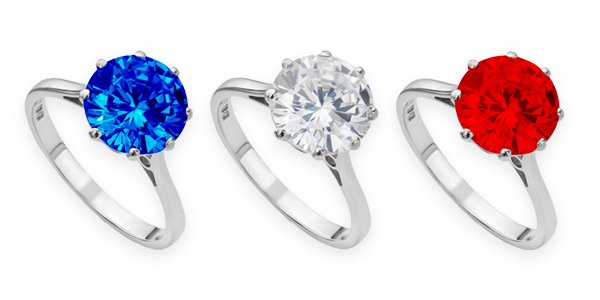
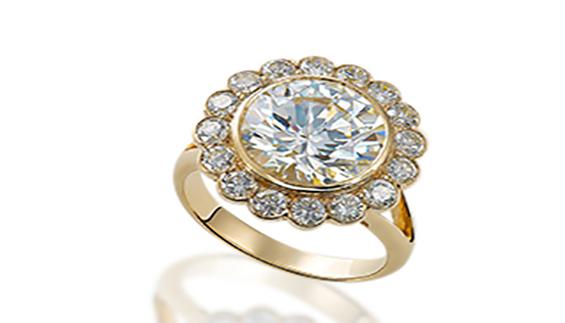
Precise colour correction is crucial to highlight gemstones and metals without altering their natural appearance.
Colours should be vibrant but realistic. Over-editing can make food look artificial.
Consistency is key. Customers expect the product colour to match their interior design.
AI-based tools can quickly correct colours, making them suitable for bulk editing. However, they may lack precision for complex products.
Manual colour correction offers greater control and accuracy, especially for high-value or detailed products.
Many businesses use a combination of both—automation for speed and manual editing for quality assurance.
Colour profiles ensure that images appear consistent across different devices and platforms. The most commonly used profile for e-commerce is sRGB, as it provides consistent results on most screens.
Using the wrong colour profile can result in images appearing differently on various devices, leading to customer dissatisfaction.
Colour correction is not always straightforward. Some common challenges include:
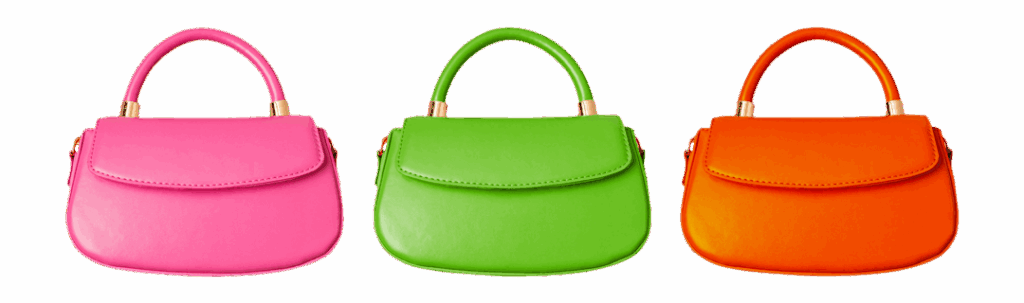
For many e-commerce businesses and agencies, outsourcing colour correction services is a smart decision.
Professional editors can handle large volumes quickly, allowing you to focus on growing your business.
Dedicated editing teams maintain uniformity across all product images.
Experienced editors understand colour theory and advanced techniques.
Outsourcing eliminates the need for in-house editing teams and expensive software.
To achieve optimal results, follow these best practices:
RAW files retain more colour information, making it easier to adjust colours accurately.
Consistent lighting reduces the need for heavy corrections.
A calibrated screen ensures that the colours you see during editing are accurate.
Create a colour correction guideline for your brand to ensure consistency.
Comparing edited images with real products helps maintain accuracy.
While colour correction itself is a visual process, it indirectly impacts SEO and conversions.
High-quality images keep visitors engaged, reducing bounce rates.
Better visuals lead to higher purchase rates.
Professional images build credibility and authority.
Accurate colours reduce mismatched expectations.
If you run an e-commerce store, photography business, or digital agency, investing in professional colour correction services can be a game-changer.
At ClippingImages.com, colour correction is handled with precision and attention to detail. Whether you need bulk editing or high-end retouching, professional services ensure your images meet industry standards and customer expectations.

The future of colour correction is evolving with technology:
Colour correction for e-commerce images is not just an optional enhancement—it’s a necessity. In a digital marketplace where visuals drive decisions, accurate and appealing product images can make or break your business.
By investing in proper colour correction techniques or outsourcing to professionals, you can:
For e-commerce sellers, photographers, and agencies, mastering colour correction is one of the most effective ways to stand out in a crowded market.
If you’re looking to elevate your product images and ensure colour accuracy at scale, professional colour correction services can help you achieve consistent, high-quality results that drive real business growth.