June 4, 2026
In the fast-paced world of e-commerce, attention is the new currency—and product images are what capture it first. Before a customer reads a description, checks a price, or considers reviews, they see your product image. That single visual moment determines whether they stay or leave. This is why understanding how product images attract sales is essential for e-commerce sellers, photographers, and creative agencies aiming to boost conversions and build strong online brands.
This guide breaks down the psychology, strategies, and optimization techniques behind high-converting product images, helping you turn visuals into revenue.
Online shopping lacks the physical experience of touching, trying, or inspecting a product. Because of this, customers rely heavily on visuals to make buying decisions.
Studies consistently show that:
In simple terms, your product image acts as your digital salesperson. If it fails, your sales drop—no matter how good your product actually is.
Human brains process visuals faster than text. When customers see a product image, they instantly form opinions about quality, usability, and trustworthiness.
Here’s how product images influence buying behavior:

Your main product image is often the first interaction a buyer has with your brand. A clean, sharp, and professional image creates confidence, while a blurry or poorly lit image signals low quality.
Customers want to clearly understand what they’re buying. High-resolution images with proper lighting and accurate colors help eliminate doubt.
Lifestyle images—showing products in real-life use—help customers imagine themselves using the product. This emotional connection plays a huge role in conversion.
To maximize impact, you need more than just one image. A strategic mix of visuals helps customers feel confident in their purchase.
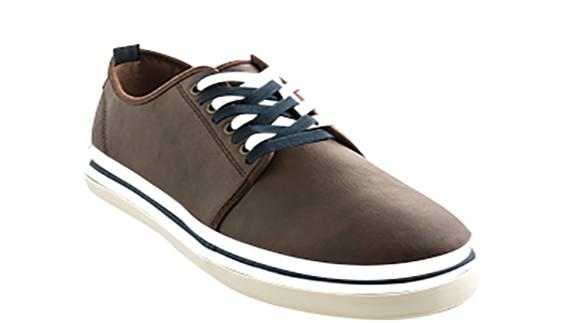
These are clean, distraction-free images typically used for marketplaces like Amazon or eBay. They highlight the product clearly and maintain consistency.
These show the product in real-world scenarios. For example, clothing worn by a model or furniture placed in a room setting. These images help customers visualize usage.
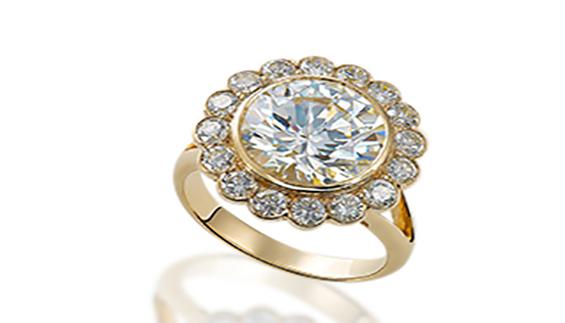
Zoomed-in images reveal texture, material, and details—important for products like jewelry, fabrics, or electronics.
Interactive images that allow users to rotate the product create a more immersive shopping experience.
Perfect for products like beauty items or cleaning tools, these images demonstrate effectiveness clearly.
Not all images are equal. To truly attract sales, your visuals must meet certain quality standards.
Blurry or pixelated images instantly reduce credibility. Always use high-resolution images that allow zooming without losing quality.
Lighting defines how your product looks. Soft, even lighting removes harsh shadows and highlights details properly.
If your product color looks different in real life, customers may return it. Color accuracy is critical to reduce returns and maintain trust.
Avoid clutter. A simple background ensures the product remains the focus.
Using the same style, lighting, and angles across all products builds a professional brand identity.
Raw images are rarely perfect. Professional photo editing transforms average visuals into sales-driven assets.
Removing distracting backgrounds makes your product stand out and gives a polished look.
Adjusting brightness, contrast, and color balance ensures the product looks natural and appealing.
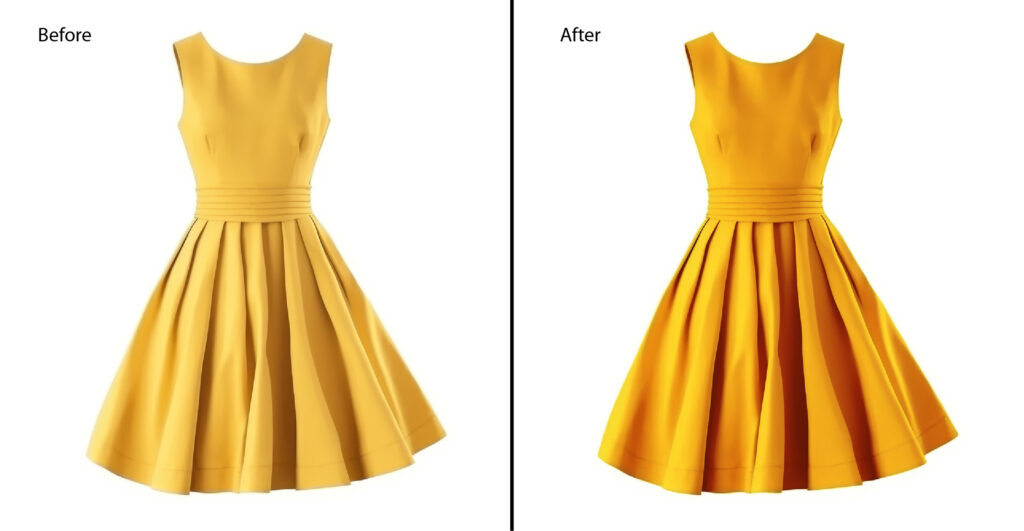
Dust, scratches, or imperfections can be removed to present the product in its best form.
Adding natural shadows gives depth and realism, making the product appear more tangible.
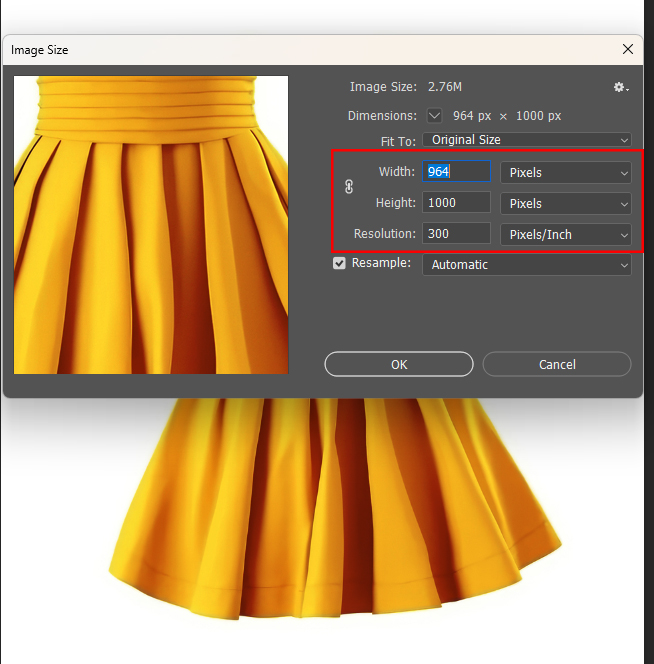
Optimized images load faster, improving user experience and SEO rankings.
Product images don’t just attract customers—they also help your website rank better on search engines.
Using compressed yet high-quality images improves page speed, which is a key ranking factor.
Adding descriptive alt text helps search engines understand your images, improving visibility in image search results.
Instead of generic names like “IMG1234.jpg,” use descriptive names like “red-leather-wallet.jpg.”
Using schema markup allows your product images to appear in rich search results, increasing click-through rates.
Let’s break down how exactly images turn visitors into buyers:
More images = more time spent on the page. The longer a user stays, the higher the chance of purchase.
Detailed visuals answer customer questions without needing text.
Accurate images set proper expectations, reducing mismatches and returns.
Professional images make products look premium, allowing you to justify higher prices.
Even small errors in product imagery can cost you sales.
Nothing kills trust faster than poor-quality visuals.
Different backgrounds or lighting across products create a messy look.
Excessive editing can make products look unrealistic.
Using only one image doesn’t provide enough information.
Most users browse on mobile. Images must look great on smaller screens.
If you want to maximize your sales through images, follow these proven strategies:

For e-commerce sellers, partnering with professional photographers and editing agencies can be a game-changer.
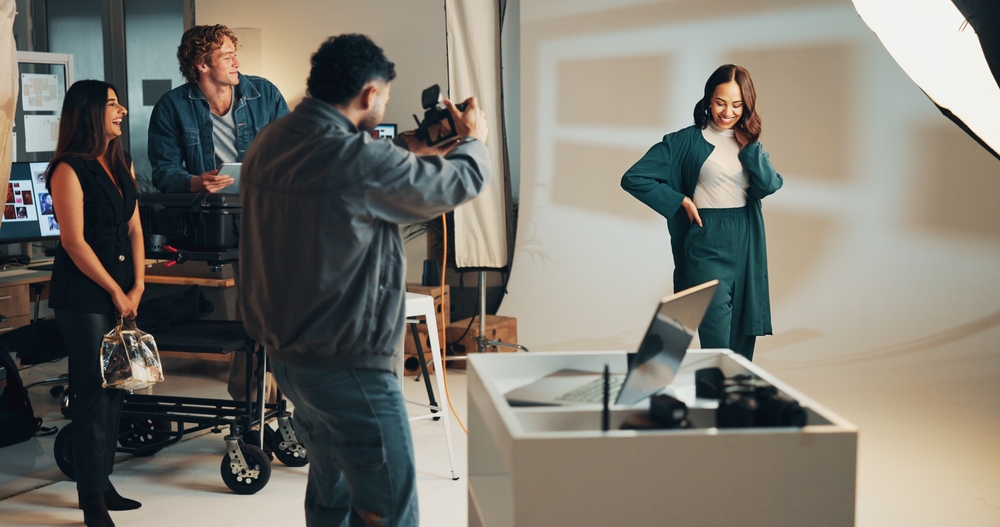
Professionals know how to highlight product features effectively.
High-end cameras, lighting setups, and editing software ensure top-quality results.
Outsourcing allows sellers to focus on business growth instead of image production.
Agencies can handle bulk image editing, which is crucial for large catalogs.
E-commerce visuals are evolving rapidly. Staying ahead of trends can give you a competitive edge.
Automation is making editing faster and more cost-effective.
Customers can visualize products in their own space before buying.
Clickable and dynamic images improve engagement.
Short product videos are becoming as important as images.
If you want to turn your product images into powerful sales tools, professional editing is key. At Clippingimages.com, you can access expert services like:
These services are designed to help e-commerce sellers, photographers, and agencies produce high-quality visuals that convert.
Understanding how product images attract sales is no longer optional—it’s essential. In a competitive e-commerce landscape, your images can make or break your success.
High-quality, well-edited, and strategically designed product images:
Whether you’re a seller aiming to boost revenue, a photographer looking to deliver better results, or an agency scaling client success—investing in product imagery is one of the smartest decisions you can make.
Because in e-commerce, customers don’t just buy products—they buy what they see.