August 11, 2026
Artificial Intelligence (AI) has transformed nearly every aspect of online retail, and product image editing is one of the biggest beneficiaries. High-quality product photos have always been essential for attracting customers, improving trust, and increasing conversions. Today, AI-powered image editing tools help e-commerce businesses produce professional-quality visuals faster, more consistently, and at a significantly lower cost.
Whether you’re an online seller, product photographer, marketing agency, or marketplace manager, understanding how AI is changing product image editing can help you stay competitive. While AI dramatically improves speed and automation, the best results still come from combining AI with expert human editing.
In this guide, we’ll explore how AI is reshaping product image editing, its advantages and limitations, and why professional editing services remain essential for businesses that want premium-quality product images.
Customers cannot physically touch or inspect products when shopping online. Product images become the primary factor influencing purchasing decisions.
Research consistently shows that high-quality product images:
For stores with hundreds or thousands of products, manually editing every image can become expensive and time-consuming. This is where AI-powered editing offers tremendous value.
AI product image editing refers to using artificial intelligence algorithms to automate repetitive photo editing tasks that traditionally required manual work in software like Adobe Photoshop.
Modern AI tools can automatically:
Instead of spending several minutes editing one image, AI can process hundreds within minutes.
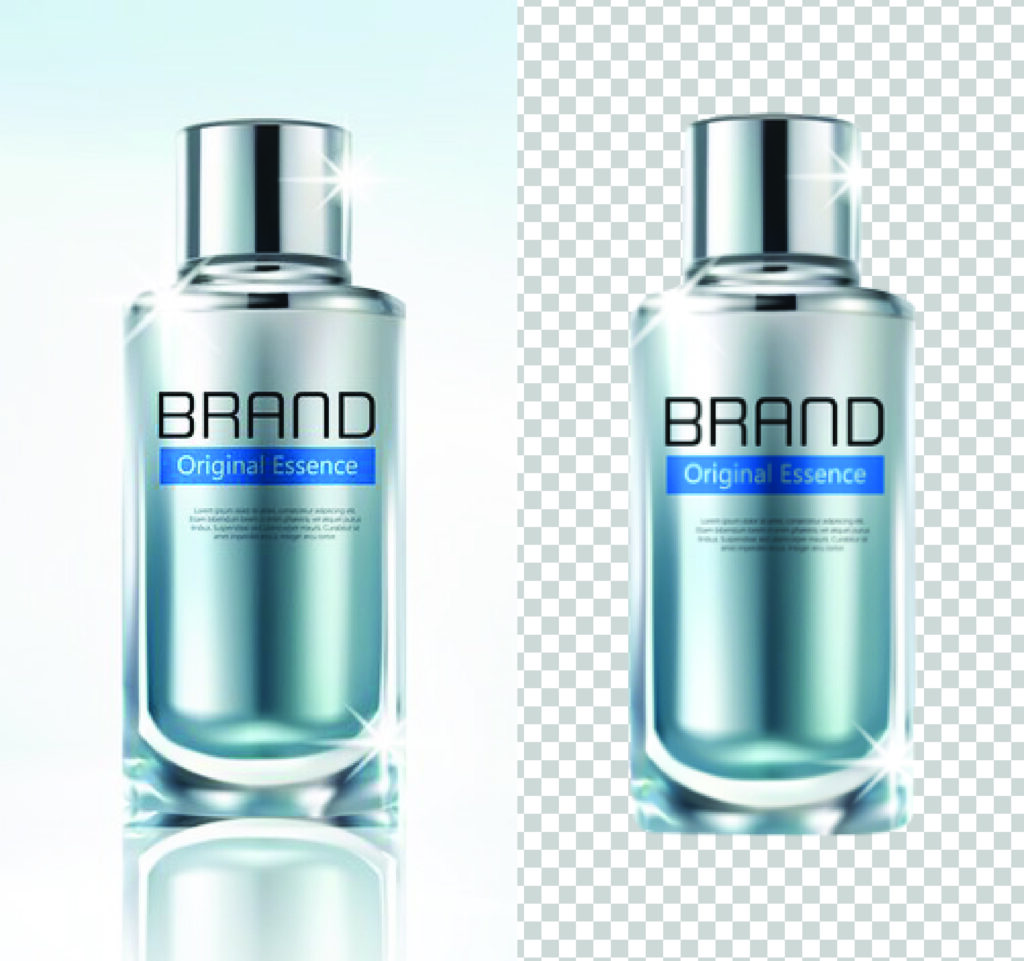
Background removal remains one of the most common image editing tasks in e-commerce.
AI can accurately identify product boundaries and remove backgrounds with a single click.
This allows sellers to create:
Professional editors often use AI as the first step before refining complex details like hair, fur, glass, jewelry, or transparent objects.
Traditional editing requires opening each image individually.
AI enables businesses to process hundreds or thousands of product images automatically.
Benefits include:
Large e-commerce stores especially benefit from batch AI editing.
Modern AI recognizes different parts of a product automatically.
It understands:
This reduces manual selections and masking work.
Product colors must accurately represent the real item.
AI automatically adjusts:
Better color accuracy reduces customer dissatisfaction and product returns.

Flat product images often appear unrealistic.
AI can create:
These enhancements make products appear more professional and realistic.

Low-resolution images reduce customer confidence.
AI upscaling technology enlarges images while preserving:
This is especially valuable when older product photos need updating for high-resolution displays.
AI improves overall image quality by automatically correcting:
Enhanced product images perform better on marketplaces and online stores.
Every e-commerce platform has different image requirements.
AI automatically resizes images for platforms like:
This saves hours of repetitive work.
AI dramatically reduces editing time.
Instead of editing one image every few minutes, businesses can process hundreds simultaneously.
Automation minimizes repetitive manual work, lowering production expenses while increasing efficiency.
Retailers can launch new collections much faster, helping them respond quickly to market demand.
AI applies the same editing standards across every image, creating a consistent visual identity.
Consistency strengthens brand recognition.
Professional product images improve shopping confidence, resulting in:
| AI Editing | Manual Editing |
| Very fast | More time-consuming |
| Cost-effective | Higher labor cost |
| Excellent for bulk editing | Best for premium quality |
| Consistent automation | Creative flexibility |
| Limited on complex objects | Superior accuracy |
| Great starting point | Perfect finishing touch |
The ideal workflow combines AI automation with professional manual refinement.
Although AI has advanced rapidly, it cannot completely replace skilled photo editors.
Common AI challenges include:
Fine hair strands remain difficult for many AI tools.

Glass, bottles, acrylic products, and transparent packaging often require manual masking.
Small gemstones, reflections, and metallic surfaces need detailed manual retouching.
Clothing often requires:
Human editors consistently deliver better results.
Premium brands demand pixel-perfect editing that AI alone cannot achieve.
Many people worry AI will eliminate professional editing services.
In reality, AI serves as an intelligent assistant.
Professional editing companies now use AI to automate repetitive tasks while allowing experienced retouchers to focus on:
The result is faster turnaround with superior quality.
AI-powered editing supports nearly every e-commerce niche.
Popular industries include:
Major marketplaces have strict image requirements.
AI helps ensure images meet specifications like:
This minimizes listing rejections and accelerates product approvals.
AI also contributes to better image SEO by supporting optimized workflows.
Properly edited images can help improve:
Combine AI editing with SEO best practices such as:
Together, these practices enhance both user experience and search performance.
To achieve the best results:
AI is a powerful productivity tool, but customers notice quality.
Professional image editing services provide:
For brands that prioritize customer trust and premium presentation, combining AI with expert editing delivers the best return on investment.
At Clipping Images, we blend the speed of AI with the precision of experienced human editors. Instead of relying solely on automation, our workflow combines intelligent AI tools with meticulous manual quality checks to ensure every product image meets professional standards.
Our services include:
Whether you manage a growing Shopify store, sell on Amazon, operate a photography studio, or run a creative agency, our team delivers fast turnaround times, consistent quality, and scalable solutions tailored to your business.
No. AI is excellent for automating repetitive tasks, but experienced editors are still essential for complex products, premium retouching, transparent objects, intricate edges, and maintaining the highest quality standards.
Modern AI tools are highly accurate for many products, but challenging subjects like hair, fur, glass, jewelry, and translucent materials often require manual refinement.
Indirectly, yes. Faster editing workflows, consistent image quality, and professional visuals help create a better shopping experience, which can contribute to higher conversion rates and increased customer trust.
Online retailers, photographers, fashion brands, jewelry stores, furniture companies, marketplaces, digital agencies, and businesses handling large volumes of product images benefit significantly from AI-assisted editing.
For basic editing tasks, AI can be sufficient. However, businesses aiming for premium branding, consistent quality, and marketplace-ready images generally achieve the best results by combining AI automation with professional human editing.
AI is revolutionizing product image editing by making it faster, more scalable, and more cost-effective than ever before. From background removal and color correction to image enhancement and bulk processing, AI empowers e-commerce businesses to streamline workflows and launch products more efficiently.
However, automation alone cannot replace the craftsmanship required for flawless product photography. The strongest strategy is a hybrid approach—using AI to accelerate repetitive tasks while relying on skilled editors for precision, creativity, and quality assurance.
For businesses that want professional, conversion-focused product images, this combination delivers the perfect balance of speed, consistency, and visual excellence. At Clipping Images, we leverage both AI innovation and expert human editing to help e-commerce sellers, photographers, and agencies create images that stand out, build trust, and drive more sales.