August 27, 2026
In today’s competitive e-commerce market, product images play a major role in whether customers decide to buy from you. Before reading a product description, comparing prices, or checking reviews, shoppers usually look at the product photo. A clear, professional, and visually appealing image can build trust and encourage purchases, while a poor-quality image can make even an excellent product look unprofessional.
That is why product photo editing has become an essential part of e-commerce success. Whether you are an online seller, professional photographer, marketplace owner, marketing agency, or product photography studio, high-quality image editing can improve the appearance, consistency, and conversion potential of your product photos.
In this ultimate guide to product photo editing, we will explore what product photo editing is, why it matters, the most important editing techniques, and how professional editing can help your e-commerce business grow.
Product photo editing is the process of improving and optimizing product images after a photoshoot. The goal is to make the product look clean, accurate, attractive, and ready for use on e-commerce websites, marketplaces, advertisements, catalogs, and social media.
Professional product image editing may include:
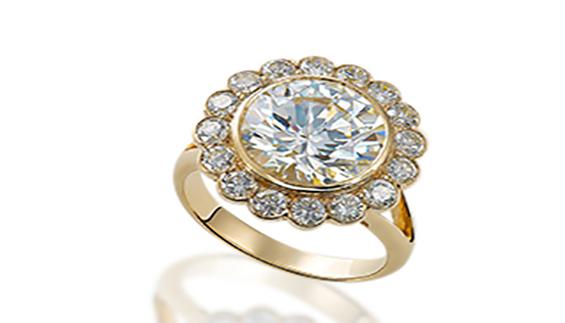
The exact editing process depends on the product type and where the image will be published. For example, an image for an online fashion store may require ghost mannequin editing, while jewelry images often need detailed retouching and color correction. Furniture, electronics, cosmetics, food, and automotive products also require different editing techniques.
The main objective is simple: make the product look professional while maintaining its real appearance.
Online shoppers cannot physically touch, hold, or inspect a product before purchasing it. Because of this, product images become one of the most important sources of information for customers.
Professional product photo editing can help your business in several ways.
Your product image is often the first thing a potential customer sees. A clean image with proper lighting, balanced colors, and a distraction-free background immediately looks more professional.
Consistent, high-quality images can also make your entire online store look more trustworthy and established.
Customers want to see the actual color, shape, texture, and details of a product. Poor lighting, unwanted shadows, dust, wrinkles, or distracting backgrounds can reduce trust.
Professional image retouching removes unnecessary distractions while keeping the product realistic. This helps customers understand exactly what they are purchasing.
Better product presentation can encourage shoppers to spend more time viewing your products and feel more confident about purchasing. Clear, attractive, and detailed images can help communicate product value more effectively.
For e-commerce sellers, product photography should not be considered just decoration. It is an important part of the overall sales and marketing strategy.
Imagine visiting an online store where every product photo has a different background, lighting style, size, and color tone. The store may look unorganized.
Professional product photo editing helps create consistency across your entire catalog. Using the same background style, image dimensions, shadows, and editing standards can strengthen your brand identity.
Different products require different levels of editing. However, several techniques are commonly used in professional e-commerce image editing.
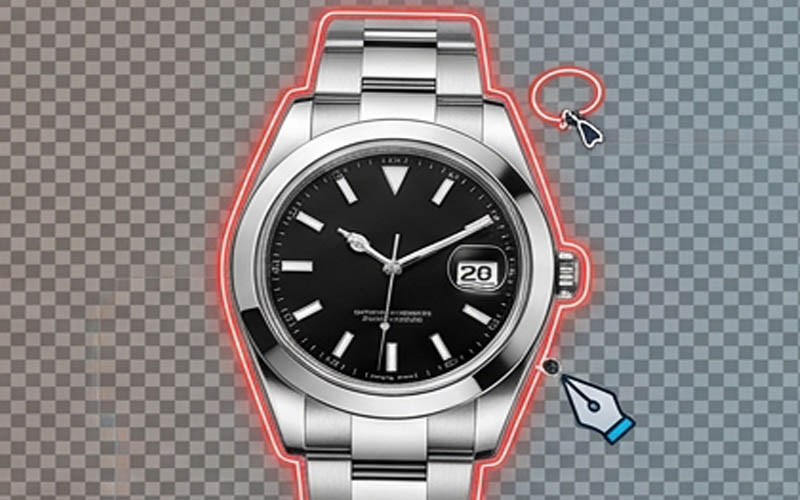
Background removal is one of the most popular product photo editing services. It involves separating the main product from its original background.
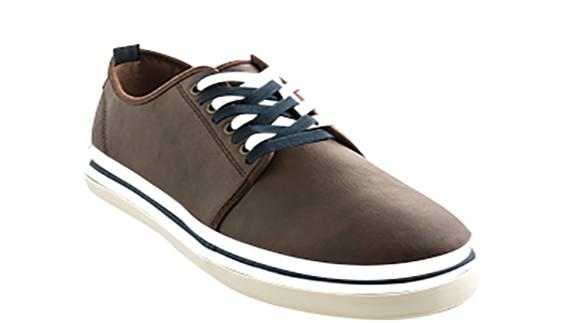
A clipping path is commonly used for products with clear and defined edges, such as shoes, electronics, furniture, bottles, watches, and many other items.
After creating a precise path around the product, editors can remove the original background and replace it with:
A clean background helps customers focus completely on the product.
For e-commerce sellers, clipping path services are especially useful when preparing images for online stores and marketplaces that require consistent product presentation.
Not every product can be edited accurately using a simple clipping path. Products with hair, fur, feathers, transparent materials, glass, smoke, or complex edges often require image masking.
Image masking allows professional editors to preserve fine details while removing or changing the background.
For example, a fur jacket or transparent perfume bottle may lose important details if edited with an inaccurate selection. Advanced masking techniques help maintain the natural appearance of the product.
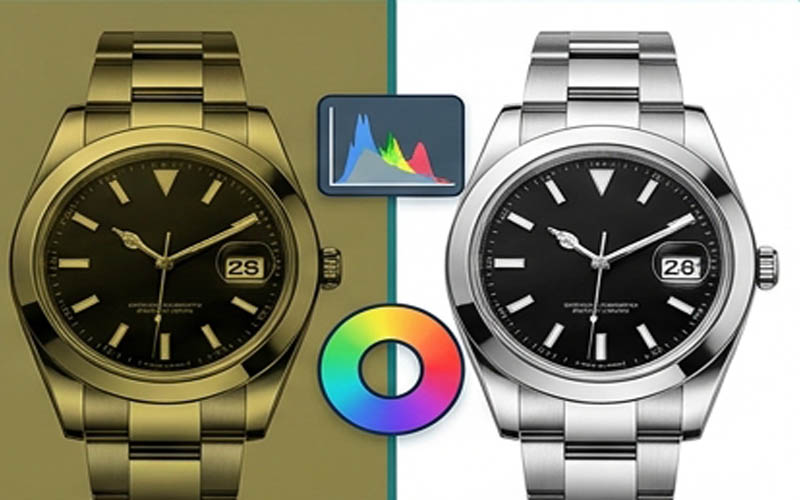
Product color accuracy is extremely important in e-commerce. Customers expect the product they receive to match what they see online.
However, camera settings, lighting conditions, and different screens can affect how a product appears. Professional color correction helps adjust:
For fashion brands, furniture stores, cosmetics companies, and jewelry sellers, accurate color representation is especially important.
Color matching can also help create consistency when product images are photographed on different days or under different lighting conditions.
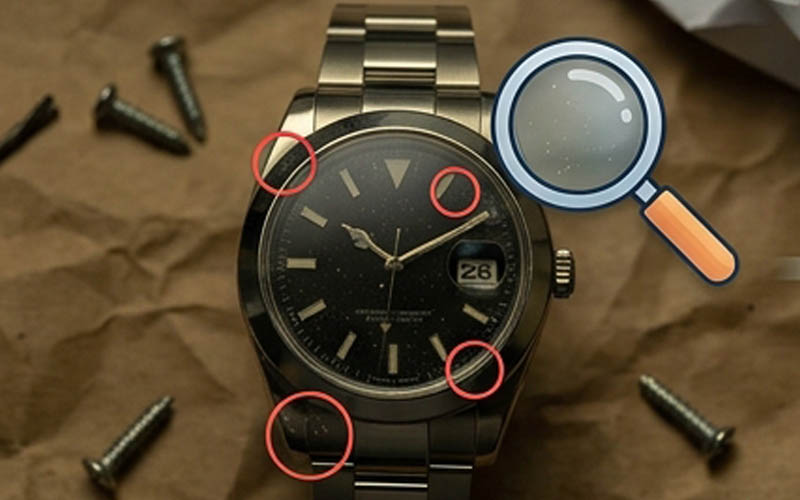
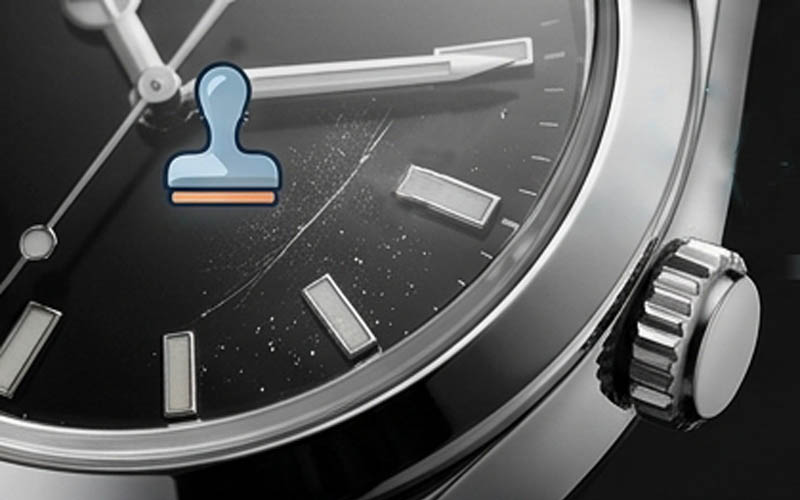
Even professional product photos may contain small imperfections. Dust, scratches, fingerprints, wrinkles, unwanted reflections, and manufacturing marks can affect the final image.
Product retouching removes or reduces these distractions.
Common retouching tasks include:
The goal of professional retouching is not to make the product look fake. Instead, it should improve the presentation while keeping important product details realistic.
A product placed on a completely white or transparent background can sometimes appear flat or unnatural. Adding realistic shadows or reflections can create depth and make the product look more visually grounded.
Common shadow styles include:
Natural shadows recreate the soft shadow that would normally appear beneath or around a product.
A drop shadow separates the product from the background and adds depth.
Reflection effects are often used for products such as shoes, cosmetics, electronics, and luxury items to create a polished appearance.
The best shadow style depends on the brand, product category, and intended platform.
Ghost mannequin editing is widely used by clothing brands and fashion retailers.
During a fashion photoshoot, clothing may be photographed on a mannequin or model. In post-production, the mannequin or model can be removed while preserving the natural shape of the garment.
The final result creates a clean, three-dimensional appearance that allows customers to focus on the clothing itself.
Ghost mannequin services are commonly used for:
This editing technique helps fashion stores create consistent and professional product catalogs.
High-quality images are important, but extremely large files can slow down a website. Slow-loading pages may create a poor user experience and negatively affect website performance.
Product photo editing should include proper image optimization.
This may involve:
A well-optimized image should provide a balance between visual quality and file size.
For example, an e-commerce store may need different image sizes for product pages, category pages, mobile devices, advertisements, and social media platforms.
A professional product photo editing workflow usually follows several important steps.
Before editing, carefully examine the original image. Identify issues such as poor lighting, unwanted objects, color problems, dust, wrinkles, or background distractions.
Use clipping path or image masking to separate the product from the background accurately.
The selection should preserve all important edges and product details.
Adjust exposure, white balance, brightness, contrast, and colors to create a natural and consistent appearance.
Clean dust, scratches, wrinkles, spots, fingerprints, and other unwanted elements.
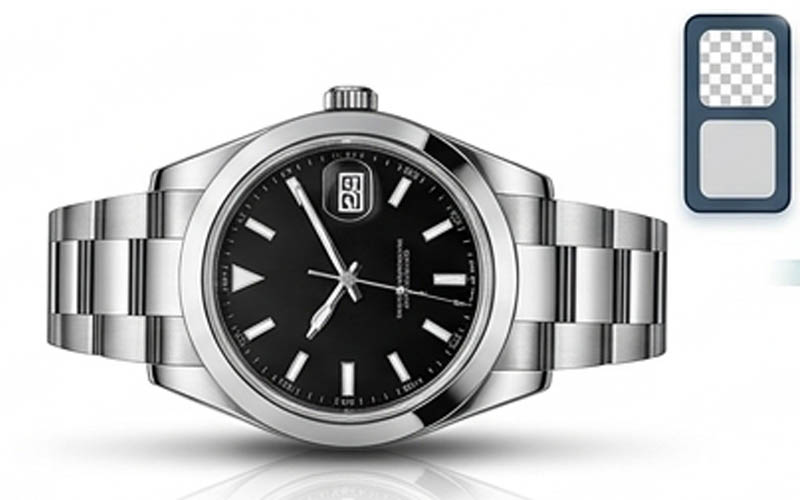
Depending on the project requirements, add a white background, transparent background, custom background, or realistic shadow.
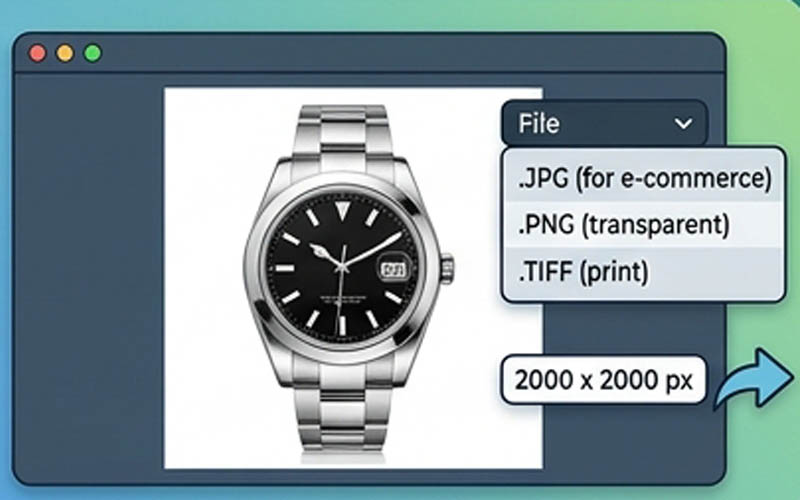
Export the final image in the correct dimensions, resolution, and file format for its intended platform.
A consistent workflow helps agencies and e-commerce businesses manage large volumes of product images efficiently.
Over-editing is one of the biggest mistakes in product image retouching. A product should look attractive, but it should also remain recognizable and realistic.
Avoid these common mistakes:
Professional editing should enhance the product, not create a misleading version of it.
The answer depends on your business size, image volume, budget, and available expertise.
Small businesses with a limited number of images may choose to edit photos internally. However, managing thousands of product images can become time-consuming.
Outsourcing product photo editing can help businesses save time and maintain consistent quality. This is particularly useful for:
A professional photo editing partner can handle repetitive editing tasks while allowing your internal team to focus on photography, marketing, customer service, and business growth.
When selecting a product photo editing company, consider the following factors:
Check whether the company can create clean edges, natural colors, realistic shadows, and detailed retouching.
Jewelry, clothing, furniture, cosmetics, electronics, and automotive products require different editing approaches. Choose a service provider with relevant experience.
Fast delivery is important for e-commerce businesses, especially when launching new products or managing seasonal campaigns.
Your editing partner should be able to handle both small projects and large product catalogs.
Every image should follow the same editing standards to maintain a professional brand appearance.
Professional product photo editing is no longer optional for serious e-commerce businesses. In a digital marketplace where customers make decisions based heavily on visual presentation, high-quality images can make a significant difference.
From background removal and clipping path services to color correction, image masking, product retouching, ghost mannequin editing, and image optimization, every editing technique plays a role in creating a stronger product presentation.
For e-commerce sellers, photographers, agencies, and brands, investing in professional image editing can help create consistency, save valuable time, improve customer trust, and present products in the best possible way.
At ClippingImages.com, we specialize in professional product photo editing services designed to help businesses, photographers, and agencies transform ordinary product images into clean, polished, and e-commerce-ready visuals. Whether you need a single image edited or require high-volume image processing, professional editing can help your products stand out in an increasingly competitive online marketplace.
If you want your products to look more professional, consistent, and ready to attract customers, investing in high-quality product photo editing services is an important step toward building a stronger e-commerce brand.