September 10, 2026
High-quality product photography is essential for e-commerce businesses, photographers, advertising agencies, and online brands. A well-edited image can make a product look more professional, improve customer confidence, and create a consistent visual identity. But when you need professional photo editing, an important question comes up: Should you hire a freelancer or work with a photo editing agency?
Both options have advantages. Freelancers can provide affordable and flexible services, while professional photo editing agencies can offer scalability, consistency, quality control, and dedicated production teams.
The right choice depends on your image volume, budget, turnaround requirements, quality expectations, and long-term business goals.
In this guide, we’ll compare freelancers vs photo editing agencies and explain which option may work best for e-commerce sellers, photographers, marketing teams, and agencies.
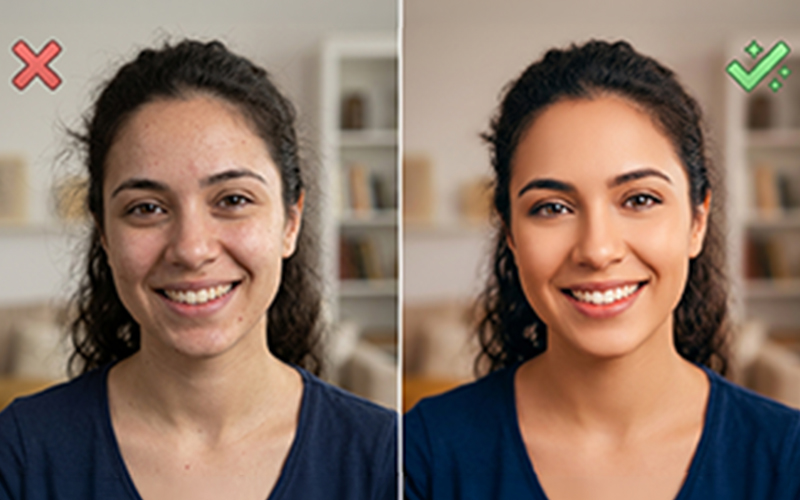
A freelance photo editor is an independent professional who provides image editing services directly to clients. Freelancers commonly work remotely and may specialize in specific services such as:
Many freelancers work through freelance marketplaces, social media, personal websites, or direct referrals.
For a small business that only needs a few images edited occasionally, hiring an individual freelancer can be a practical solution.
A photo editing agency is a professional image-editing company that operates with a team of editors, quality-control specialists, project managers, and other professionals.
Instead of relying on one person, an agency typically has multiple editors who can handle large image volumes and different types of editing requirements.
Professional photo editing agencies may provide services such as:
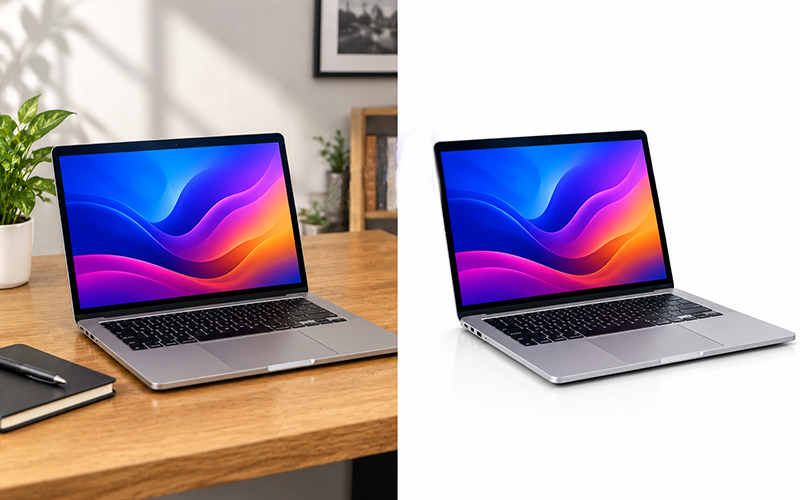
This makes agencies particularly useful for businesses that need ongoing, high-volume image processing.
The biggest difference between a freelancer and an agency is the scale and structure of the service.
A freelancer generally works as an individual, while an agency operates as a production system.
Let’s compare the two options across the factors that matter most.
Cost is often the first thing businesses consider.
Freelancers can be less expensive because they typically have lower operating costs. A freelancer may work from a home office and manage projects independently.
For small projects, this can make freelance photo editing an attractive option.
However, extremely low prices may sometimes come with limitations in quality, availability, or turnaround time.
Agencies may charge more than individual freelancers because their pricing can include project management, quality control, multiple editors, customer support, infrastructure, and other operational costs.
However, agencies can become cost-effective when you’re processing hundreds or thousands of images because they are designed for volume.
Best for: Freelancers for very small budgets and occasional projects; agencies for high-volume and recurring work.
Scalability is one of the biggest advantages of working with an agency.
Imagine an e-commerce business needs 100 product images edited this week. Next month, the requirement increases to 1,000 images.
A freelancer may struggle to increase production quickly because one person has limited working hours.
An agency can distribute the workload among multiple editors and increase production capacity.
This is particularly important for:
If your image requirements change frequently, an agency generally provides greater flexibility.
Turnaround time can directly affect your business workflow.
A freelancer may deliver images quickly when they have availability. However, if they are handling multiple clients or become unavailable, your project may be delayed.
A professional agency can assign multiple editors to a project when necessary.
For example, a large product catalog containing thousands of images may require a coordinated workflow to meet a deadline.
Agencies are therefore often better suited to projects where consistent and predictable turnaround times are important.
Quality consistency is extremely important for e-commerce brands.
Imagine an online store with 2,000 products. If every image has a different background, brightness level, shadow style, or color balance, the website can look unprofessional.
A professional agency can establish editing guidelines before production begins.
Editors can follow instructions for:
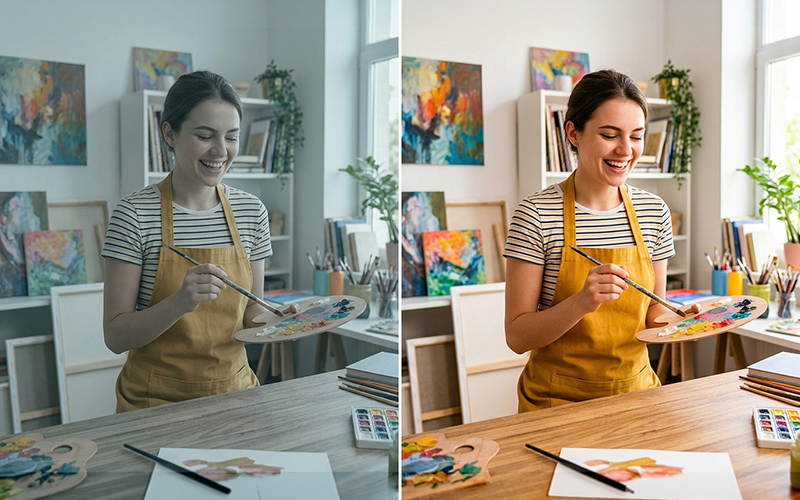
Quality-control teams can then review completed images.
A skilled freelancer can also deliver excellent consistency, but agencies generally have more structured quality-control processes.
Freelancers often provide direct communication with the person actually editing your images.
This can be convenient when you want to explain a specific requirement or make quick changes.
Agencies usually have project managers or customer support teams who communicate with clients.
For simple projects, direct freelancer communication may feel easier.
For large projects, however, having a dedicated project manager can make communication more organized.
One potential risk of relying on a single freelancer is availability.
A freelancer may become unavailable because of:
If your entire editing workflow depends on one person, this can create delays.
An agency generally has multiple employees or contractors working within its production system. If one editor is unavailable, another editor may be able to continue the project.
For businesses with strict deadlines, this additional capacity can be valuable.
E-commerce sellers often have large numbers of product photos that need consistent editing.
Common requirements include:

If you operate a small online store with 10–30 products, a freelancer may be sufficient.
But if you’re managing hundreds or thousands of SKUs, an agency can provide a more scalable workflow.
For example, an e-commerce brand launching 500 new products may need several thousand images processed within a short period. An agency can divide the workload among multiple editors while maintaining standardized instructions.
Marketplace sellers often need product images that follow specific visual requirements.
Professional editing can help create:
Whether you use a freelancer or agency depends on the volume.
For occasional product listings, a freelancer may be enough.
For sellers uploading products continuously, an agency can provide a more dependable long-term workflow.
Professional photographers have different needs from e-commerce sellers.
A photographer may need:
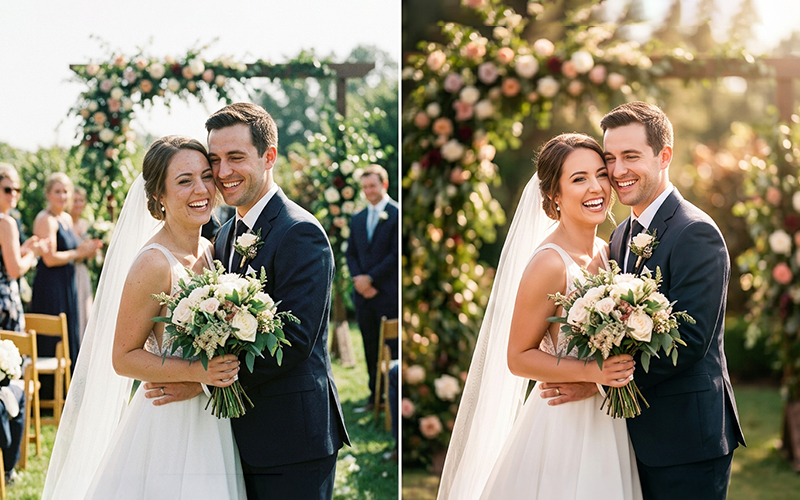
A freelancer can be an excellent choice when a photographer wants a personal editing partner who understands their artistic style.
For example, a wedding photographer may develop a long-term relationship with one editor who understands their preferred color tones and retouching style.
However, agencies become attractive when photographers have large workloads or seasonal demand.
During wedding seasons, for example, photographers may suddenly need hundreds or thousands of photographs processed.
An agency can provide additional production capacity during these busy periods.
Marketing agencies often manage image editing for multiple clients simultaneously.
This creates additional challenges.
One client might require product image editing while another needs fashion retouching and another needs background removal.
A single freelancer may not have expertise in every type of editing.
A photo editing agency can provide access to multiple specialists.
This can help marketing agencies manage diverse projects without hiring permanent in-house editors.
It can also allow the agency to focus on strategy, advertising, design, and client management while outsourcing image production.
| Factor | Freelancer | Photo Editing Agency |
| Cost | Often lower | Usually higher |
| Small projects | Excellent | Good |
| Large projects | Limited by capacity | Excellent |
| Scalability | Limited | High |
| Turnaround | Depends on availability | More predictable |
| Quality control | Usually individual | Dedicated QC may be available |
| Communication | Direct | Project manager/support |
| Specialized services | Depends on expertise | Multiple specialists |
| Backup editors | Usually unavailable | Often available |
| Recurring projects | Good | Excellent |
| High-volume e-commerce | Limited | Excellent |
| Long-term production | Good for smaller workloads | Excellent |
A freelancer may be the right choice if:
For a small online business or individual photographer, a reliable freelancer can provide excellent value.
A photo editing agency may be better if:
For established e-commerce brands, photography studios, and creative agencies, these benefits can make an agency a more practical long-term solution.
There is also a third option: hiring an in-house photo editing team.
An internal team provides maximum control, but it also comes with additional costs.
You may need to pay for:
For businesses with very high and predictable editing requirements, an in-house team can make sense.
For many businesses, outsourcing to freelancers or agencies eliminates these overhead costs.
Businesses don’t always have to choose only one option.
A hybrid model can combine freelancers and agencies.
For example, a photography business might use a trusted freelancer for highly creative retouching while outsourcing large batches of standard edits to an agency.
Similarly, an e-commerce company could use an agency for routine product image editing while keeping complex creative work in-house.
The key is to match the editing workflow with the type of work.
Before hiring a freelancer or agency, consider these questions:
Don’t only ask about today’s workload. Consider your expected workload six or twelve months from now.
A portrait retoucher and an e-commerce product editor may have completely different skill sets.
Choose a provider experienced with your type of images.
Professional editing often requires specific requirements.
Ask whether they can follow:
For large projects, quality control can prevent inconsistent images from reaching your website or clients.
Always discuss turnaround times before starting a large project.
Clear revision policies can prevent misunderstandings later.
So, freelancer vs photo editing agency—which one is better?
There is no universal answer.
A freelancer can be an excellent option for small businesses, photographers, and individuals who need affordable, personalized photo editing.
A professional photo editing agency is usually the better choice for businesses that need high-volume editing, consistent quality, predictable turnaround times, scalability, and multiple editing services.
If you’re an e-commerce seller processing hundreds of product photos, a photographer handling large batches, or a creative agency managing image production for multiple clients, an experienced photo editing agency can help you build a more reliable workflow.
Ultimately, the best choice isn’t simply the cheapest provider. Consider the quality, consistency, turnaround time, scalability, communication, and reliability that your business needs.
For occasional projects, a freelancer may be all you need. For a growing business with ongoing image production, partnering with a professional photo editing agency can provide the infrastructure needed to scale.
The right photo editing partner should not simply edit your images—it should make your entire visual production process faster, more consistent, and easier to manage.