November 19, 2026
Visual presentation is the deciding factor in modern digital commerce. Whether a shopper is browsing a crowded marketplace on a smartphone or comparing high-ticket items on a desktop monitor, the photograph does the heavy lifting before a single word of product copy is ever read. When exploring how professional real estate photo editing helps listings sell faster, businesses, commercial photographers, and creative directors face a recurring challenge: delivering studio-grade visual consistency at scale without slowing down campaign launches. Relying on quick shortcuts often introduces subtle flaws—jagged edges, unnatural color shifts, or flat lighting—that quietly erode buyer confidence and drive up return rates.
That is why investing in professional HDR blending for real estate and disciplined post-production standards has become a core operational advantage rather than an optional afterthought. At Clipping Images (clippingimages.com), over 16 years of dedicated post-production experience and an ISO 9001:2008-certified workflow have demonstrated that clean, lifelike imagery directly correlates with stronger click-through rates and higher checkout conversions. Throughout this guide, we break down the practical techniques, workflow decisions, and quality benchmarks behind virtual staging so your visual assets stand out in competitive feeds while staying true to the real-world product.
When teams approach how professional real estate photo editing helps listings sell faster, the first obstacle is rarely a lack of camera gear—it is the gap between a raw studio capture and a marketplace-ready asset. Even under controlled strobe lighting, raw files carry minor imperfections: stray dust specks on glossy surfaces, uneven background exposure, subtle lens distortion, or fabric creases that distract from a garment’s silhouette. Attempting to rush through sky replacement with one-click presets frequently creates more problems than it solves, leaving behind faint halos, clipped highlights, or muddy shadow transitions.

Effective real estate photo editing & commercial image manipulation requires an eye for how light behaves in the real world. Human eyes immediately detect when an object has been poorly isolated or pasted onto a sterile backdrop without proper grounding. By combining methodical HDR blending real estate with careful tonal balancing, experienced editors preserve fine edge details—such as delicate chain links, soft cashmere fibers, or translucent glass rims—while eliminating visual clutter. For growing brands managing hundreds or thousands of SKUs, establishing clear technical specifications around resolution, color space (typically sRGB for web marketplaces), and framing margins ensures every product page feels cohesive, trustworthy, and unmistakably professional.
Achieving repeatable results in virtual staging starts long before a file reaches final export. A structured production pipeline minimizes revisions and keeps turnaround times predictable even during peak seasonal rushes:
1. Pre-Shoot Standardization and Capture Consistency: Keep camera height, focal length, and lighting ratios uniform across each product category. Consistent lighting makes downstream image manipulation service dramatically faster and prevents jarring brightness jumps when customers scroll through collection grids.
2. Non-Destructive Layer Architecture: Professional editors never paint or erase directly on the original pixel layer. Instead, work is organized using hand-drawn vector paths, refined alpha masks, and adjustable curves layers so any element can be tweaked later without degrading image quality.
3. Precision Edge Refinement and Isolation: Depending on the subject’s edge hardness, specialists choose between crisp vector paths for hard-edged goods and soft channel or hair masking for organic textures. Careful zoom-level inspection at 200% to 300% magnification guarantees zero background bleed.
4. Realistic Lighting, Depth, and Color Calibration: Once isolated, products need believable spatial grounding and accurate color representation. Calibrated monitors and reference swatches ensure that the navy blazer or rose-gold watch on screen matches what arrives in the customer’s unboxing experience.
5. Multi-Tier Quality Assurance: Before final delivery in TIFF, PSD, PNG, or optimized JPEG formats, every image passes a secondary inspection against client style guides—checking alignment, padding percentages, file naming conventions, and shadow softness.
Beyond aesthetics, disciplined HDR blending in real estate delivers measurable business returns across search visibility, paid acquisition, and customer retention. Search engines and visual discovery platforms increasingly evaluate image quality, loading speed, and clean framing when ranking product listings. High-resolution images that load swiftly without blurry compression artifacts keep shoppers engaged longer on the page, sending positive behavioral signals that support organic rankings.
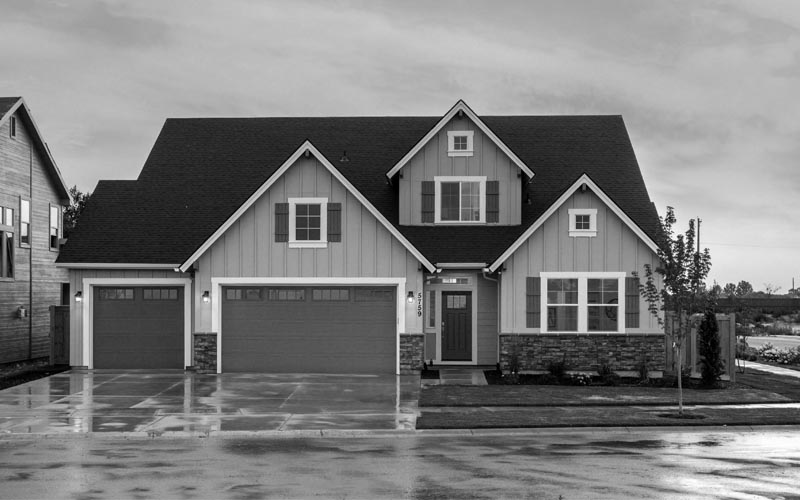
Equally important is the direct impact on return rates. Industry data consistently shows that ‘item not as pictured’ remains one of the top reasons consumers send online orders back. When sky replacement and raster-to-vector conversion are executed with restraint and accuracy, shoppers can inspect true textures, authentic colors, and realistic proportions before clicking buy. In paid social and Google Shopping campaigns, crisp, distraction-free product thumbnails routinely lower cost-per-click and improve return on ad spend because they communicate immediate professionalism in crowded feeds. For agencies and studio managers, partnering with an external team capable of 24/7 overnight execution turns post-production from a stressful bottleneck into a scalable competitive edge.
Even seasoned creative teams can fall into avoidable traps when scaling up virtual staging. Recognizing these common pitfalls early saves hours of rework and protects brand perception:
• Over-Reliance on Automated Cutout Tools: While automated scripts handle simple geometric shapes reasonably well, they routinely struggle with low-contrast edges, intricate spokes, wispy hair, and semi-transparent fabrics. Hand-crafted HDR blending remains essential whenever edge integrity matters.
• Inconsistent Cropping and Aspect Ratios: When one product fills 90% of the frame, and the next fills 65%, category pages look disorganized. Defining strict canvas margins (such as 85% product fill centered vertically and horizontally) creates an effortless browsing rhythm.
• Unnatural or Missing Shadows: Removing a background completely without adding a subtle drop shadow, natural shadow, or reflection makes items appear to float awkwardly in mid-air. Grounding the product anchors it visually.
• Aggressive Over-Retouching: Smoothing away every natural fabric weave, leather grain, or metallic reflection makes real products look like cheap 3D renders. Good image manipulation service enhances clarity while keeping tactile realism intact.
• Ignoring File Naming and Alt-Text Hygiene: Delivering thousands of assets labeled ‘IMG_4829_final2.jpg’ wastes merchandising hours. Descriptive, keyword-aligned filenames streamline CMS uploads and reinforce on-page SEO.
Before submitting a batch of raw images for HDR blending real estate, running through a quick pre-production checklist ensures smooth communication and eliminates back-and-forth delays:
• Define Output Dimensions and Aspect Ratio: Specify exact pixel dimensions (for example, 2000 x 2000 pixels for marketplace zoom compliance) and whether products should be centered with uniform white margins.
• Clarify Shadow and Background Preferences: Indicate whether you require pure white (#FFFFFF), transparent PNGs, natural retained shadows, or custom reflection shadows.
• Provide Color Reference Swatches: For apparel, cosmetics, and home decor, attach a reference photo or Pantone code so editors can match tones under neutral daylight balance.
• Specify File Format and Layer Requirements: Confirm whether you need flattened JPEGs for immediate web upload or layered PSD/TIFF master files with named clipping paths intact.
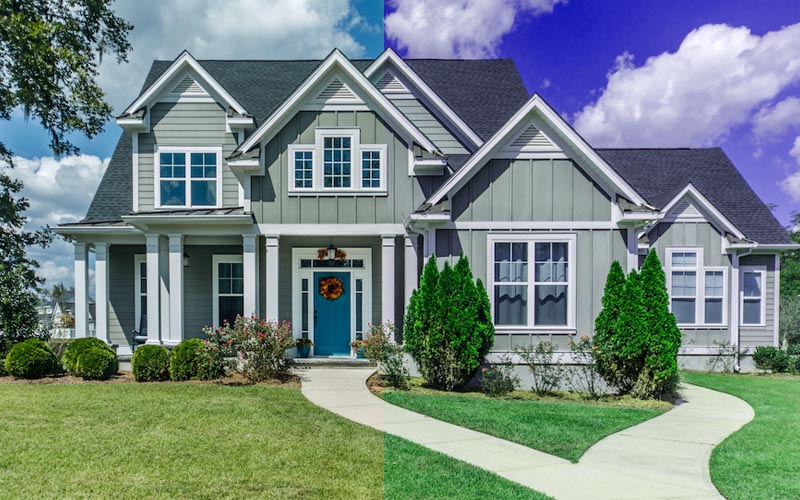
Choosing the right post-production partner comes down to reliability, craft, and scale. With more than 150 dedicated full-time graphic designers, over 5 million images processed, and 3,100+ satisfied global clients, Clipping Images combines boutique-level attention to detail with enterprise capacity. Every project benefits from ISO 9001:2008 certified quality management, transparent per-image pricing, strict non-disclosure data protection, and true 24/7 turnaround—meaning you can upload raw shoots at the end of your workday and wake up to press-ready files the next morning.
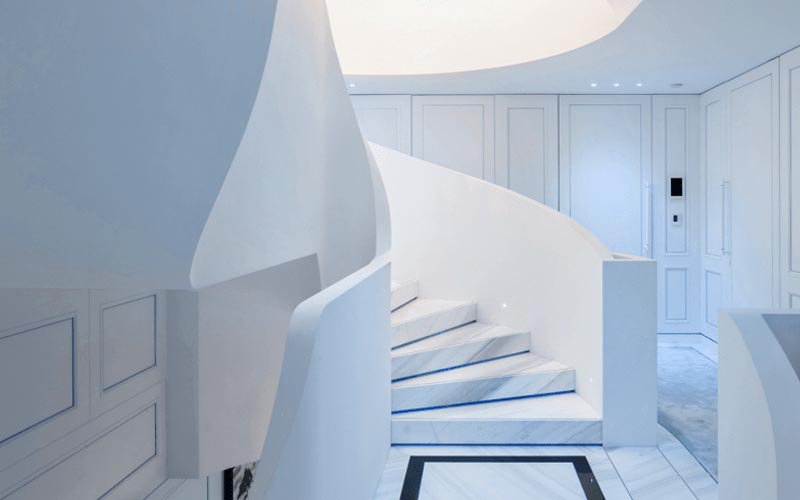
Whether you need high-volume HDR blending real estate, specialized virtual staging, or end-to-end real estate photo editing & commercial image manipulation, testing quality firsthand is the smartest next step. Clipping Images offers a complimentary free trial so you can evaluate edge accuracy, color fidelity, and turnaround speed on your own actual product files before committing to a single order. Visit https://www.clippingimages.com/real-estate-photo-editing-services/ today to upload your sample images, request a custom quote for bulk catalogs, and see how effortless high-converting visual content can be.
Q: How long does professional HDR blending real estate take for bulk e-commerce orders?
A: Turnaround depends on image complexity and batch volume, but dedicated 24/7 production teams like Clipping Images routinely deliver hundreds of edited files within 12 to 24 hours. Rush delivery options are also available for tight product launch deadlines.
Q: What file formats should I upload, and what formats will I receive back?
A: You can upload RAW files (CR2, NEF, ARW), high-resolution JPEGs, TIFFs, or PSDs. Completed assets can be returned with active vector clipping paths embedded inside layered PSD or TIFF files, alongside web-ready transparent PNGs or pure-white JPEGs tailored to Amazon, Shopify, and Google Shopping specifications.
Q: Why is manual editing better than automated software for real estate photo editing & commercial image manipulation?
A: Automated algorithms rely on contrast detection, which often fails around fine hair, delicate jewelry prongs, white-on-white apparel, and reflective glass. Skilled human designers inspect edges at high magnification to ensure crisp, natural transitions that protect brand credibility.
Q: Can I test the editing quality before placing a large order?
A: Yes. Clipping Images provides a no-obligation Free Trial where you can submit sample photos from your actual catalog and review the finished craftsmanship, path precision, and color accuracy firsthand.