May 17, 2026
In today’s highly competitive eCommerce landscape, high-quality visuals are no longer optional—they are essential. Whether you’re an online seller, professional photographer, or creative agency, product photo retouching plays a critical role in capturing attention, building trust, and driving conversions. This comprehensive Product Photo Retouching Guide will walk you through everything you need to know to transform ordinary product images into visually compelling assets that sell.
Product photo retouching is the process of enhancing product images by correcting imperfections, adjusting colors, refining details, and improving overall visual appeal. It goes beyond basic editing by focusing on precision and perfection, ensuring that the product looks its absolute best without misleading customers.
Retouching includes tasks such as:
The goal is simple: create clean, professional, and visually appealing images that accurately represent the product while making it more attractive to potential buyers.
Customers rely heavily on visuals when shopping online. A well-retouched image can significantly increase the likelihood of a purchase by showcasing the product in the best possible light.
High-quality images reflect professionalism and attention to detail. Consistent, polished visuals help establish trust and strengthen your brand identity.
Accurate retouching ensures that product images closely match reality, minimizing customer disappointment and reducing return rates.
Platforms like Shopify, Amazon, and eBay have strict image requirements. Retouching ensures your images meet these standards.
In crowded marketplaces, visually superior images help your products stand out from competitors.
Ideal for bulk editing and standard eCommerce needs:
Used for premium products or high-end branding:
For marketing campaigns and advertisements:
Start by selecting the best images from your shoot. Choose photos with proper focus, composition, and lighting.
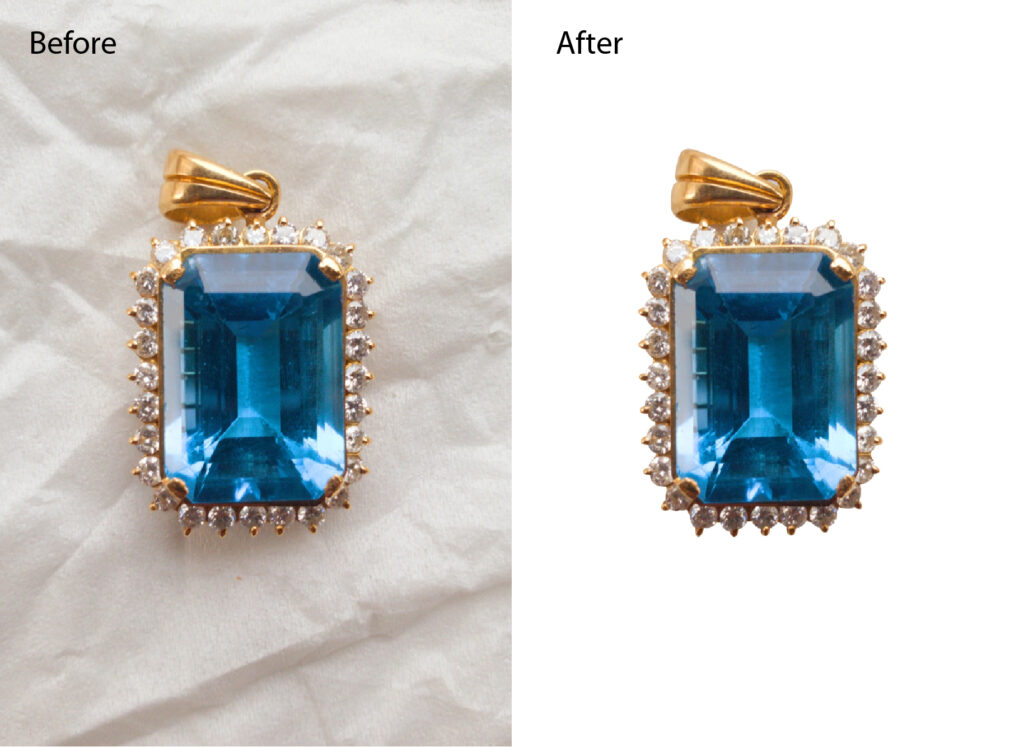
A clean background is essential for eCommerce. Remove distractions or replace backgrounds with white or transparent ones.
Adjust white balance, saturation, and tones to ensure accurate and consistent colors across all images.
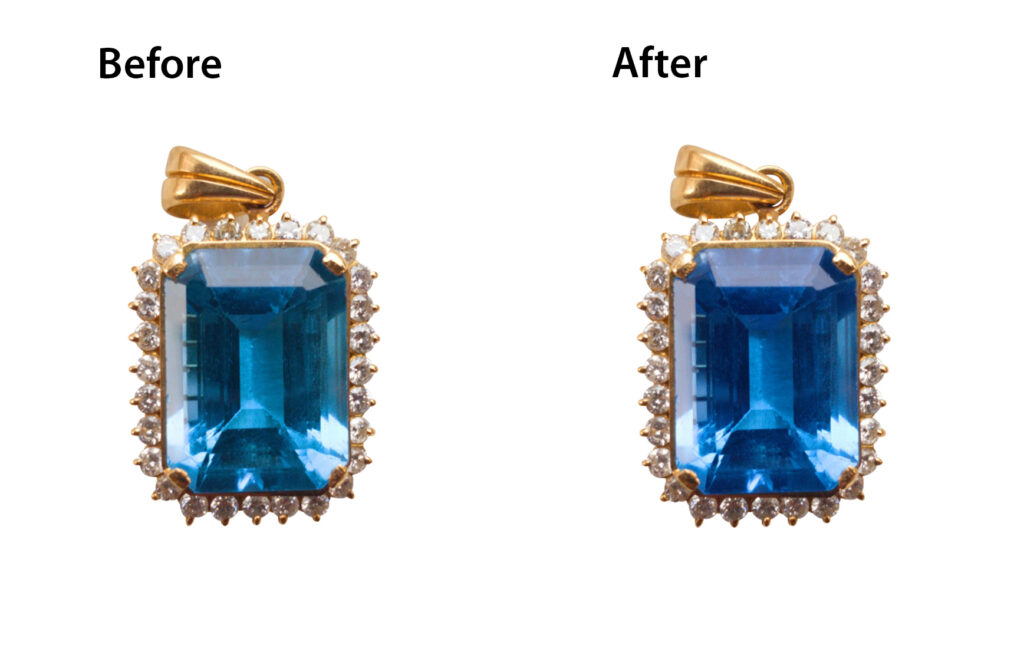
Fine-tune brightness and contrast to enhance visibility and highlight product details.
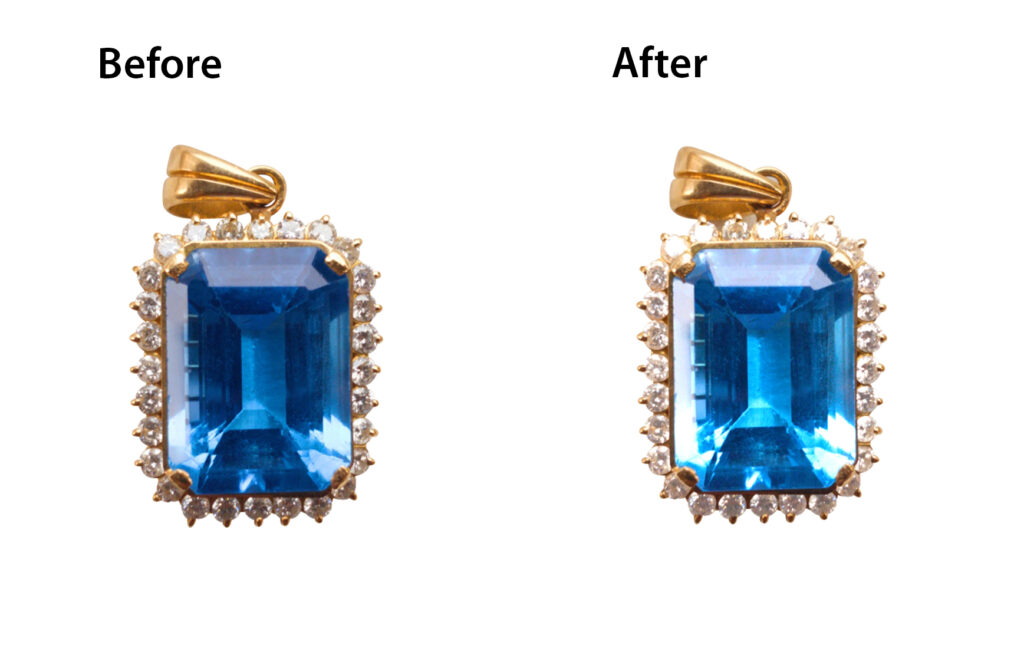
Use tools like clone stamp or healing brush to eliminate dust, scratches, and unwanted marks.
Add natural shadows or reflections to create depth and realism.
Sharpen edges and textures to bring out product features.
Check for consistency, accuracy, and quality before exporting images in the required format.
While there are many tools available, the most widely used include:
For large-scale operations, outsourcing to professional services like Clipping Images can save time and ensure consistent quality.
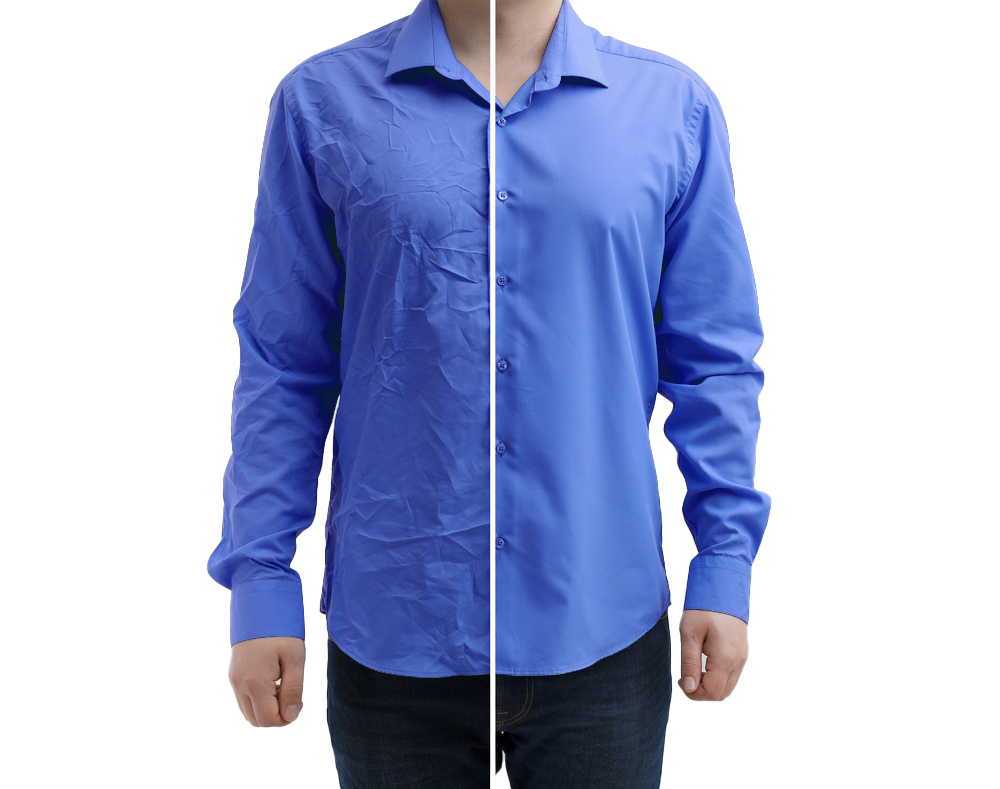
Avoid over-editing. The product should look appealing but still realistic to prevent customer dissatisfaction.
Ensure all product images follow the same style, lighting, and color tone for a cohesive look.
Small details like dust spots or uneven edges can impact perceived quality.
Always work on separate layers so you can make changes without affecting the original image.
Compress images without losing quality to ensure fast loading speeds and better SEO performance.
Products like jewelry and glass can reflect unwanted elements. Careful masking and retouching are required.
Ensuring that the product color matches real-life appearance is critical, especially for fashion and accessories.
Over-smoothing can make products look artificial. Maintaining natural texture is essential.
Managing thousands of images can be time-consuming without automation or outsourcing.
Optimized product images contribute directly to better search engine rankings. Here’s how:
Compressed, optimized images improve page speed, which is a ranking factor.
High-quality visuals keep users engaged and reduce bounce rates.
Eye-catching images increase the likelihood of clicks in search results.
Properly named and tagged images can appear in Google Image Search, driving additional traffic.
Pros:
Cons:
Pros:
Cons:
For eCommerce businesses and agencies handling bulk images, outsourcing to a specialized service like clippingimages.com is often the smarter choice.
When selecting a service provider, consider the following:
A reliable partner can significantly improve your workflow and output quality.
Artificial intelligence is revolutionizing image editing by automating repetitive tasks and improving efficiency.
Brands are increasingly using 3D models and renders alongside retouched images.
AR allows customers to interact with products, making high-quality visuals even more important.
Demand for ultra-realistic images is growing, especially in luxury markets.
Product photo retouching is more than just an editing process—it’s a strategic investment in your brand’s success. High-quality images not only attract customers but also build trust, improve user experience, and ultimately drive sales.
Whether you’re an eCommerce seller looking to increase conversions, a photographer aiming to deliver professional results, or an agency managing large-scale projects, mastering product photo retouching is essential.
If you want to save time and ensure consistent, high-quality results, consider partnering with a professional service like clippingimages.com. With expert retouching, fast turnaround, and scalable solutions, you can focus on growing your business while leaving the image perfection to the experts.
Start optimizing your product images today and turn every click into a conversion.