July 5, 2026
High-quality product photography is one of the biggest factors influencing online sales. Whether you’re an e-commerce seller, Amazon merchant, Shopify store owner, photographer, or creative agency, understanding the best lighting setup for product photography can dramatically improve image quality, customer trust, and conversion rates.
Lighting determines how colors appear, how textures are revealed, and how premium a product looks. Even an expensive camera cannot produce professional-looking product photos without proper lighting.
In this comprehensive guide, we’ll explore the best lighting setups for different products, compare natural and artificial lighting, recommend equipment, explain common mistakes, and show how professional image editing completes the process.
Consumers cannot physically touch products while shopping online. Instead, they rely entirely on photographs.
Proper lighting helps:
Professional lighting is not just about brightness—it’s about controlling the direction, softness, and balance of light.
A professional lighting setup should produce:
Soft shadows create depth while maintaining a clean appearance. Harsh shadows often distract buyers.
Every important detail should be visible without overexposed highlights or dark corners.
Color consistency is essential, especially for fashion, cosmetics, furniture, electronics, and branded products.
Reflective items like watches, jewelry, bottles, and electronics require careful lighting to minimize glare.
Both lighting methods have advantages.
Natural light works well for:
Professional studios generally prefer artificial lighting.
Benefits include:
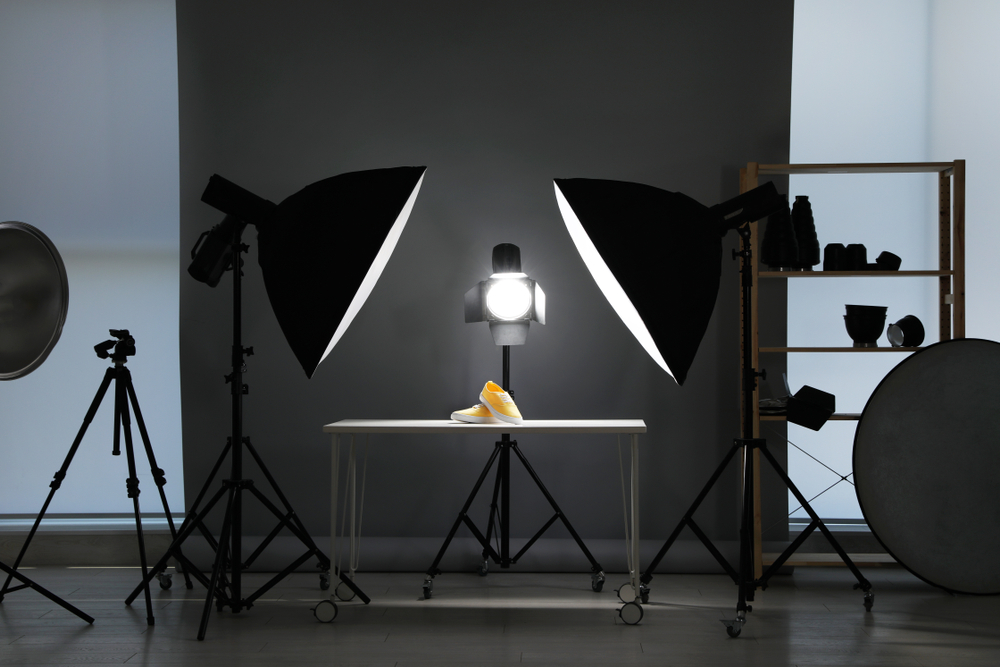
Artificial lighting is ideal for businesses that photograph products regularly.
Softboxes create large, diffused light sources that reduce harsh shadows.
They’re perfect for:
Softboxes remain the most popular lighting modifier in commercial product photography.
LED lights offer:
They are excellent for both photography and video production.
Ring lights provide even frontal illumination.
Best suited for:
While useful, ring lights usually work best as supplementary lighting rather than the primary light source.
Professional commercial studios often use strobes because they deliver:
Strobes are ideal for high-volume product photography.
A three-light configuration is one of the most versatile professional setups.
The key light provides the main illumination.
Position it approximately:
Use a softbox for soft, flattering light.
The fill light reduces harsh shadows created by the key light.
Its intensity should typically be lower than the key light.
This creates natural depth while maintaining detail.
The back light separates the product from the background.
Benefits include:
White background photography is the standard for marketplaces like Amazon, eBay, Walmart, and many online stores.
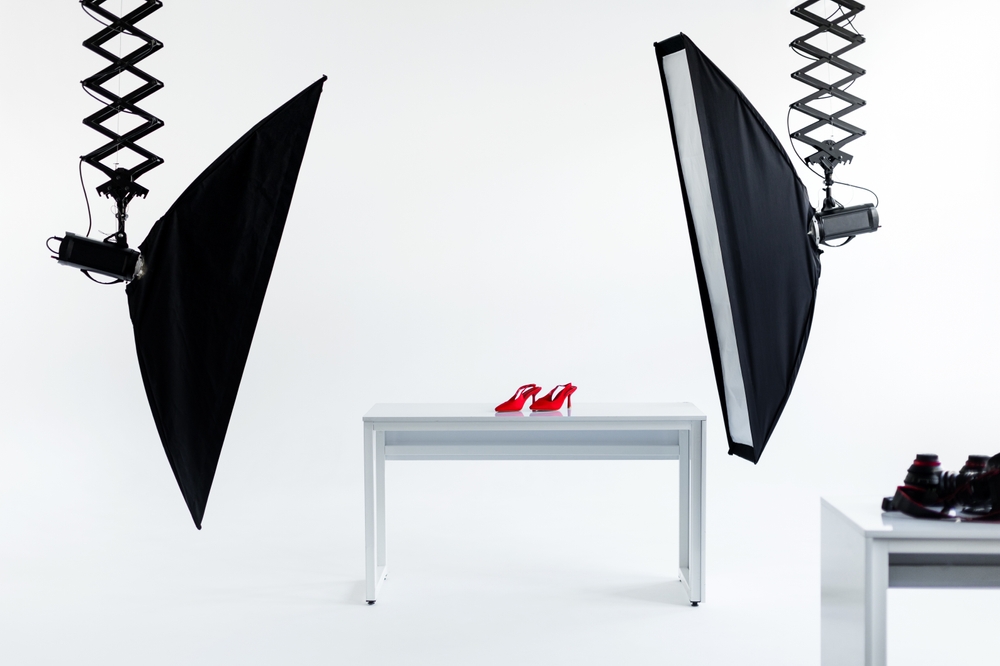
Recommended setup:
This produces:
Jewelry is among the most challenging products to photograph.
Use:
Avoid direct light because it creates harsh reflections and blown-out highlights.
For apparel photography, lighting should reveal:
Recommended equipment:
Flat lighting can make clothing appear dull, while directional soft lighting creates depth.
Food benefits from directional lighting.
A common setup includes:
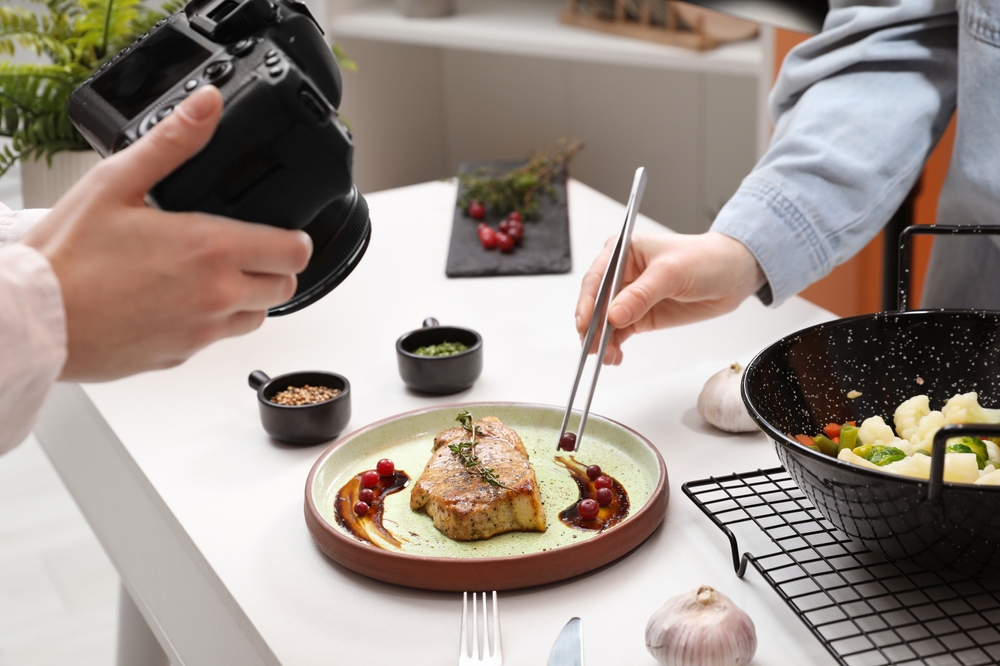
Natural shadows make food appear more realistic and appetizing.
Glass bottles require careful control of reflections.
Professional techniques include:
The goal is defining edges rather than illuminating the glass directly.
Electronics require:
Use:
This approach creates premium commercial images suitable for online marketplaces.
Pros:
Cons:
Pros:
Cons:
Most commercial studios prefer flash systems for consistent results.
Maintaining a consistent color temperature is essential.
Common settings include:
Mixing different light temperatures often results in unnatural color casts.
Professional lighting setups often include:
These inexpensive accessories greatly improve lighting control.
Avoid these frequent errors:
Direct camera flash creates harsh shadows and unflattering reflections.
Combining daylight with indoor lighting often produces inconsistent colors.
Dark corners reduce image quality and professionalism.
Glossy products easily reflect cameras, lights, and photographers.
Poor white balance causes inaccurate product colors.
A good starting point includes:
These settings maximize sharpness and editing flexibility.
Even with excellent lighting, post-processing is essential.
Professional editing helps:
Lighting creates the foundation, while editing delivers the polished final result.
High-quality lighting and expert editing work together to create images that stand out.
Professional clipping path services provide:
For businesses managing hundreds or thousands of product photos, outsourcing editing saves valuable time while maintaining consistent quality.
Follow these best practices:
Choosing the best lighting setup for product photography is one of the smartest investments for any online business. Well-lit product images build trust, improve brand perception, and increase conversions across e-commerce platforms.
Whether you’re photographing fashion, electronics, jewelry, cosmetics, furniture, or food, the right combination of soft lighting, controlled shadows, accurate colors, and professional post-processing will consistently produce exceptional results.
At ClippingImages.com, we help photographers, online sellers, and creative agencies transform product photos into high-converting visual assets through expert clipping path services, background removal, color correction, shadow creation, retouching, and image enhancement. Combined with a strong lighting setup, professional editing ensures every product image meets the highest commercial standards and leaves a lasting impression on customers.