August 4, 2026
Photo editing has become an essential part of modern visual marketing. Whether you’re running an e-commerce store, managing a photography studio, or operating a creative agency, delivering high-quality images is no longer optional—it’s expected. However, handling image editing in-house can be expensive, time-consuming, and difficult to scale.
That’s why many agencies outsource photo editing to specialized editing companies. By partnering with experienced professionals, agencies can deliver premium-quality images faster while reducing operational costs and focusing on business growth.
In this guide, we’ll explain how agencies outsource photo editing, why it works, the outsourcing process, benefits, challenges, and how to choose the right editing partner.
Photo editing outsourcing is the process of hiring an external team or professional image editing company to handle post-production work instead of editing photos internally.
Rather than employing a full-time editing department, agencies send their raw images to dedicated editors who perform tasks such as:
The edited images are then returned within an agreed turnaround time, ready for delivery to clients or publication.

Modern agencies manage dozens—or even hundreds—of client projects simultaneously. Editing thousands of images every week can quickly overwhelm internal teams.
Outsourcing solves this problem by providing additional editing capacity without increasing permanent staffing costs.
The main reasons agencies outsource include:
Clients expect quick turnaround times.
Professional editing companies operate with dedicated teams that can process large image volumes around the clock, allowing agencies to meet tight deadlines consistently.
Hiring full-time editors requires:
Outsourcing converts these fixed costs into flexible project-based expenses.
Workloads often fluctuate.
During holiday seasons, product launches, or wedding seasons, agencies may receive significantly more projects than usual.
An outsourcing partner makes it easy to scale production without hiring temporary employees.
Professional editing companies often specialize in niche services such as:
This expertise improves the final quality delivered to clients.
The outsourcing workflow is straightforward when both parties establish clear communication.
Photographers or clients complete the photo shoot and deliver RAW or high-resolution image files.
Typical formats include:
Images are securely transferred through:
Large agencies often use automated cloud workflows.
Clear instructions are essential.
These usually include:
Many agencies create Standard Operating Procedures (SOPs) to ensure consistency.
The outsourcing team performs the requested services using professional software such as Adobe Photoshop and Adobe Lightroom.
Depending on the project, editors may use:
Reliable editing companies maintain a dedicated quality assurance (QA) team.
Each image is inspected for:
Completed images are delivered within the agreed turnaround time.
Typical delivery formats include:
Most agencies outsource a combination of editing services depending on client requirements.
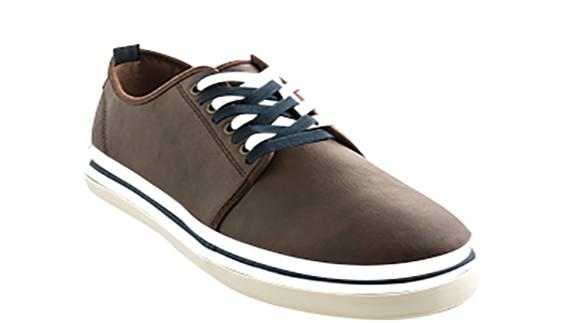
Ideal for products with clean edges.
Perfect for:
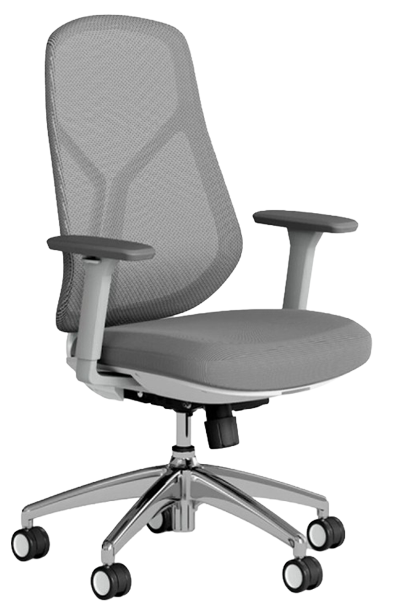
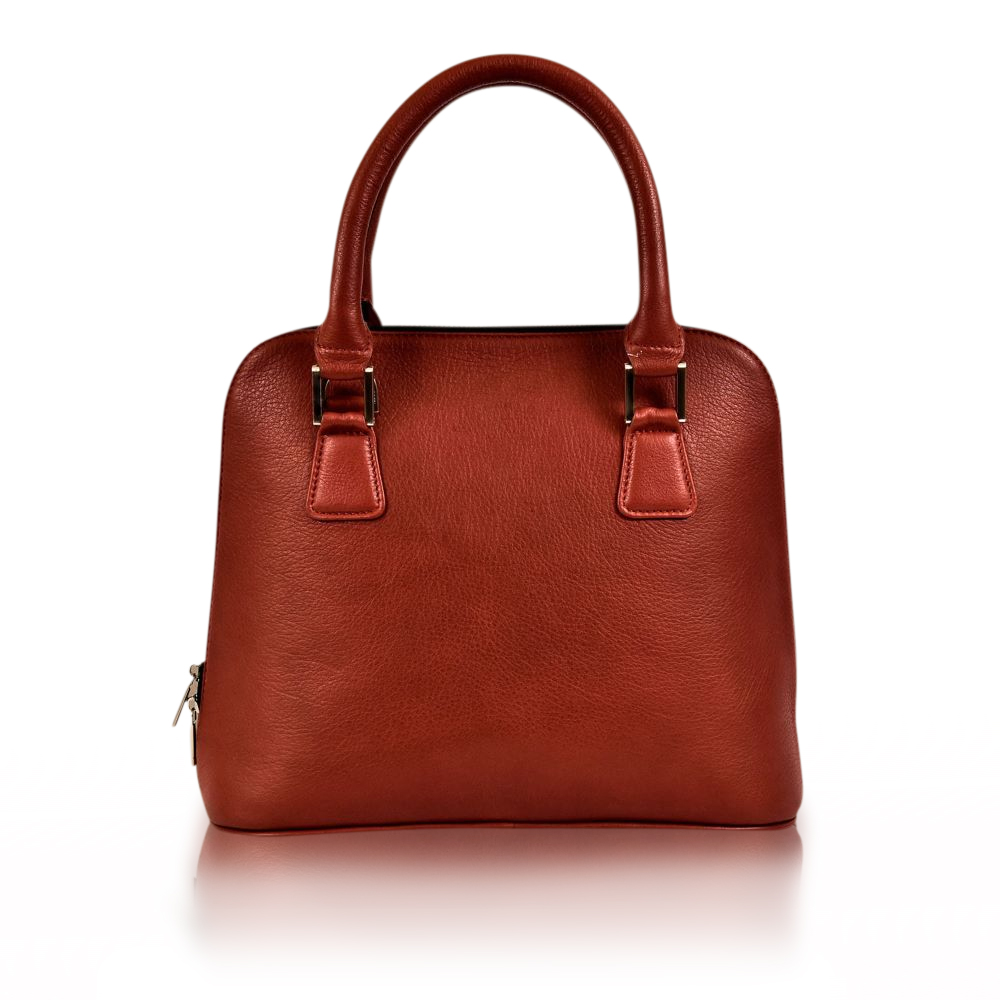
Removes distracting backgrounds and replaces them with:
Widely used in e-commerce.
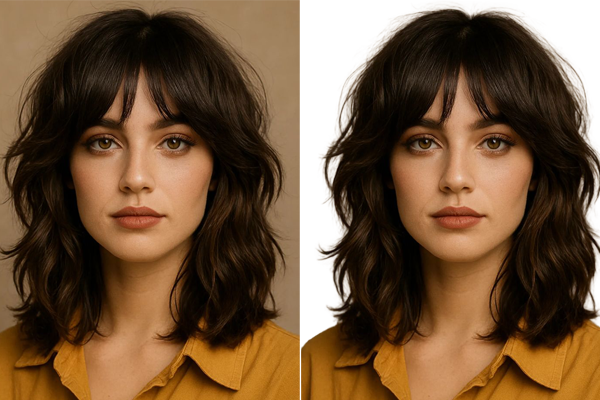
Combines multiple apparel images to create an invisible mannequin effect.
Common for:
Editors adjust:
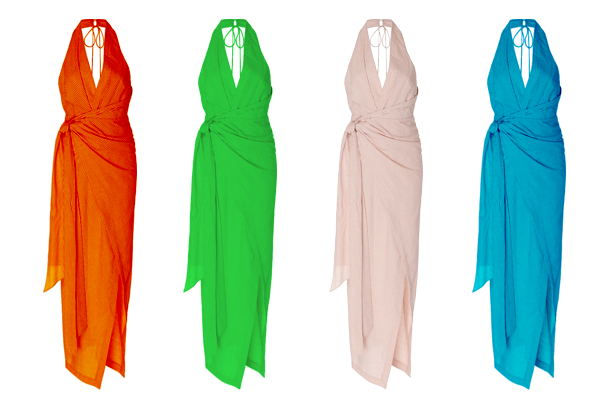
Essential for accurate product representation.
Suitable for:
Includes advanced skin enhancement while preserving natural textures.
One of the most demanding editing services.
Editors improve:

Includes:

Many industries rely on outsourced editing services.
Online retailers require:

Wedding, portrait, event, and commercial photographers outsource editing to save time and focus on shooting.
Creative agencies need polished visuals for:
Fashion businesses require:

Professional property photography benefits greatly from outsourced enhancement services.
Design teams can focus on creative strategy instead of repetitive editing tasks.
Consistent quality and faster delivery improve customer retention.
Many outsourcing companies operate across multiple time zones, allowing work to continue overnight.
This significantly shortens project timelines.
Most providers offer:
This simplifies budgeting.
Experienced editors often achieve better consistency than busy in-house teams managing multiple responsibilities.
Although outsourcing offers numerous advantages, agencies should be aware of potential challenges.
Unclear editing instructions can result in inconsistent outcomes.
Detailed briefs help prevent misunderstandings.
Agencies frequently handle confidential client images.
Choose providers with secure file transfer systems and confidentiality agreements.
Not all editing companies maintain the same standards.
Request sample edits before committing to long-term projects.
Establish clear revision policies from the beginning to avoid delays.
Finding the right outsourcing company is one of the most important business decisions.
Consider these factors:
Review before-and-after samples across different industries.
Look for companies with years of professional editing experience.
Ensure they can meet your production schedule.
Responsive customer support is critical for ongoing projects.
Avoid hidden fees.
Understand exactly what’s included in the quoted price.
Ask about their quality control process before signing any agreement.
Your editing partner should be capable of handling both small and high-volume projects.
To build a long-term partnership, agencies should follow these best practices:
Successful agencies rarely work with multiple editing vendors for the same project.
Instead, they build long-term relationships with trusted partners who understand:
This consistency improves efficiency and reduces revision requests over time.
Artificial intelligence is transforming image editing, but human expertise remains essential for delivering premium-quality results. AI tools can speed up repetitive tasks such as background removal or basic color adjustments, while skilled editors refine details, maintain brand consistency, and ensure natural-looking outcomes.
As e-commerce continues to expand globally, demand for reliable outsourced editing services is expected to grow. Agencies that combine AI-assisted workflows with experienced human editors can handle larger volumes without sacrificing quality, giving clients the fast turnaround and professional finish they expect.
Outsourcing photo editing has become a strategic advantage for agencies, photographers, and e-commerce businesses seeking to improve efficiency, reduce costs, and deliver consistently high-quality visuals. By partnering with a dependable editing provider, agencies can focus on client relationships, creative direction, and business growth while leaving time-intensive post-production to specialists.
Whether you need clipping paths, background removal, ghost mannequin effects, high-end retouching, or bulk product image editing, choosing the right outsourcing partner can streamline your workflow and help you scale with confidence. Investing in a trusted editing team is not just a cost-saving measure—it’s a long-term strategy for maintaining quality, meeting deadlines, and exceeding client expectations.
Yes. Reputable editing companies use secure file transfer methods, confidentiality agreements, and strict data protection practices to safeguard client images.
Pricing varies depending on image complexity, editing requirements, turnaround time, and project volume. Many providers offer per-image rates, bulk discounts, and monthly plans.
Absolutely. By providing style guides, sample edits, and clear instructions, professional editing teams can deliver consistent results that align with your brand identity.
Simple edits can often be completed within 12–24 hours, while complex or high-volume projects may take longer depending on the scope.
E-commerce businesses, photography studios, creative agencies, fashion brands, marketplaces, and real estate companies all benefit from outsourcing by improving efficiency, reducing costs, and maintaining consistent image quality.