November 5, 2026
As a product catalog or photography business grows, photo editing can become a significant part of daily operations. Some teams prefer to keep editing in-house for direct control, while others outsource to handle volume, specialized tasks, or tight deadlines. The right choice depends on the cost of staff time, the complexity of the images, the consistency required, and how often demand changes. A practical comparison should include the entire workflow—not just an employee’s salary or a vendor’s price per image.
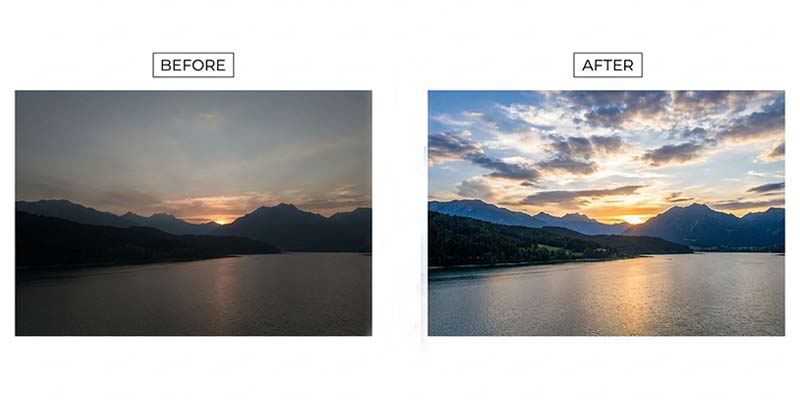
In-house editing costs include more than wages. Businesses may need software subscriptions, capable computers, training, storage, workflow management, supervision, and time for quality checks. If editing occupies staff who could otherwise work on marketing or merchandising, that opportunity cost also matters.
Estimate the complete time required per image, including preparation, editing, export, review, file organization, and correction. Multiply that by monthly volume and compare it with the capacity of your team. The workload may be easy to handle during quiet periods but become a bottleneck during product launches or seasonal peaks.
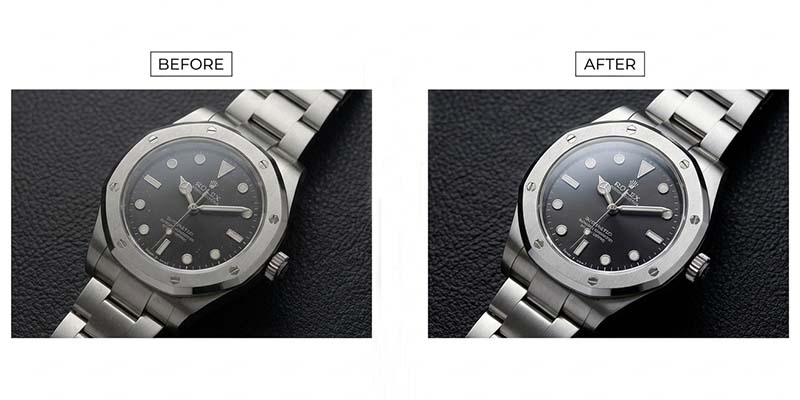
Outsourcing typically replaces some internal production time with a service fee, but the quoted price may depend on complexity, quantity, deadline, and output requirements. Ask whether background removal, detailed retouching, shadows, revisions, and special formats are included. Confirm how extra requests are priced.
Include the time your team spends preparing files, writing instructions, reviewing results, and communicating corrections. A good provider can reduce editing workload, but outsourcing still requires project ownership. Comparing only a per-image quote with an employee’s hourly wage can produce a misleading conclusion.
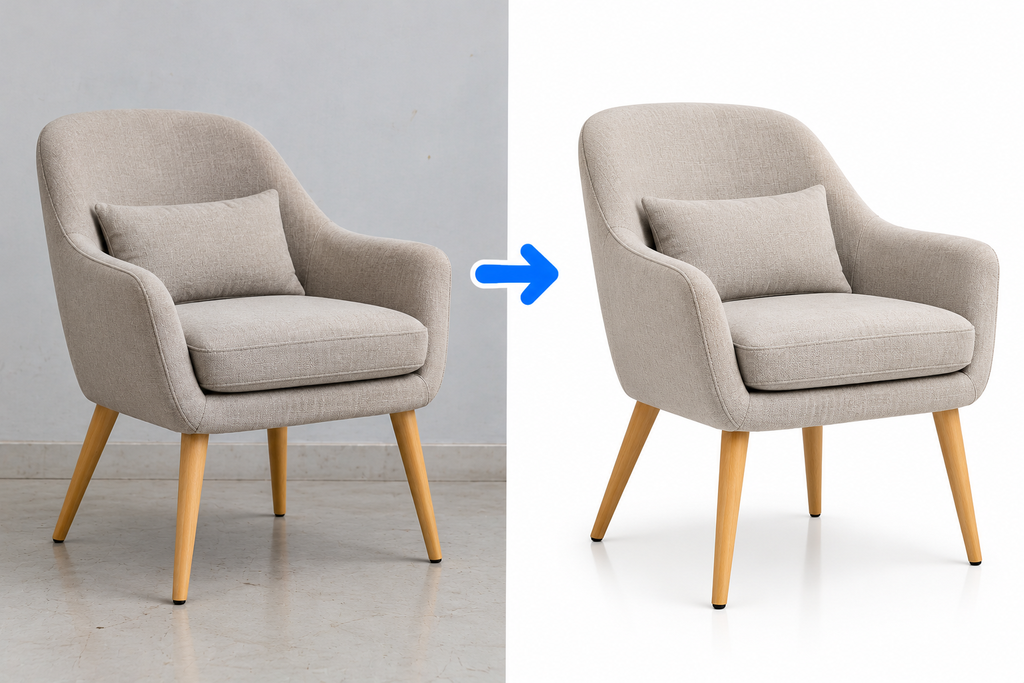
An in-house team may understand product details and brand standards closely, which can be useful for fast decisions and specialized requirements. However, quality may vary if multiple staff members use different methods or if there is no shared style guide. Outsourced providers may offer specialist skills and repeatable production, but they need clear instructions and ongoing review.
Use reference images, written standards, and a test batch whichever model you choose. Compare edge quality, color accuracy, crop, retouching, and consistency across a set of images. The goal is not to assume one team is better; it is to find the workflow that reliably meets your quality standard.
In-house editing can be convenient for small urgent changes when an editor is available. Outsourcing can add capacity when a large batch arrives or specialist skills are needed. But external work requires file transfer, clear communication, and realistic delivery planning. Very urgent requests may cost more or may not be available.
Consider how predictable your volume is. A stable workload may support a dedicated internal role, while fluctuating demand may favor a flexible external arrangement. Some businesses benefit from a hybrid model that keeps quick corrections in-house and outsources large or complex batches.
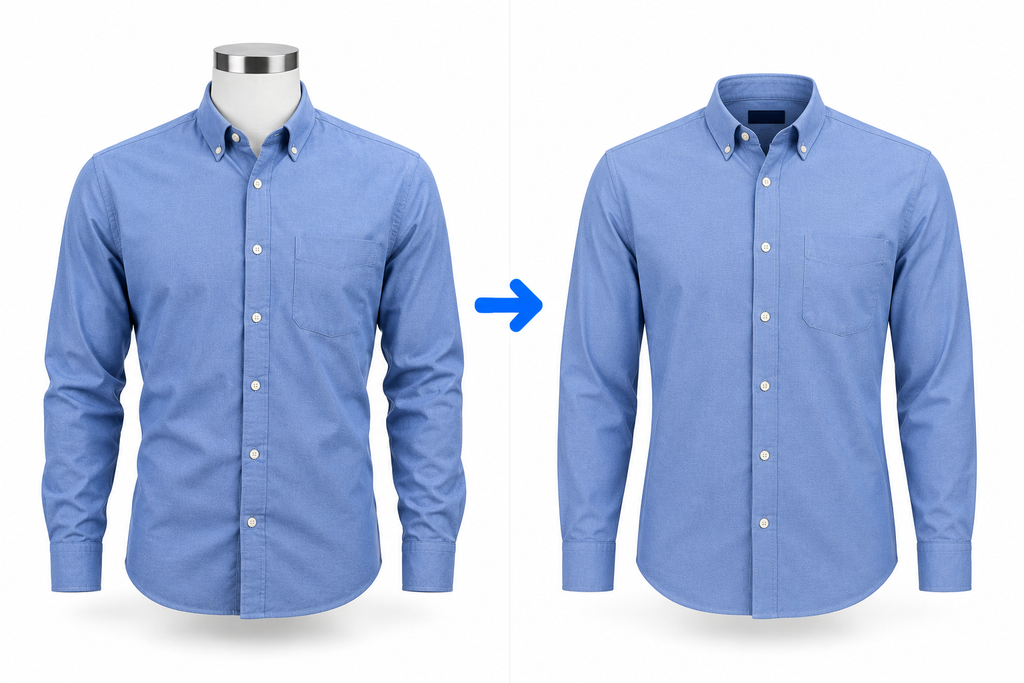
In-house work keeps files within the organization’s normal systems, although internal access still needs to be managed. Outsourcing involves sharing images with an external party, so businesses should understand file transfer, storage, access, retention, and deletion practices. Confidential product launches may require written confidentiality terms.
Brand control is possible in either model when instructions are clear. Document what can be retouched, which colors must remain accurate, how backgrounds should look, and which product features must never be altered. Review samples before a large rollout and keep approved references available to the people doing the work.
Start by categorizing images according to complexity, volume, and importance. Simple recurring tasks may be easy to standardize, while intricate jewelry, apparel composites, or high-priority campaign images may require specialist attention. Different categories can follow different workflows.
Run a small comparison and measure total cost, usable output, revision effort, and turnaround. Reassess the decision when the catalog expands, staffing changes, or seasonal volume shifts. A hybrid process is often practical because it balances direct control with access to additional capacity.

Before the work begins, translate your expectations into instructions that can be followed consistently. State the objective, required output, technical specifications, and any details that must remain unchanged. Include representative examples and identify unusual images that may need special handling. A concise brief is more useful than a long request that leaves important decisions open to interpretation.
Ask the person completing the work to raise questions before processing a full batch. Confirm assumptions about edge treatment, color, crop, naming, file format, and revision rules. This small alignment step can prevent large amounts of rework and creates a reference that can be reused for future projects.
A frequent mistake is to focus on the finished image while overlooking the process that produces it. Unclear filenames, inconsistent source files, missing references, and late changes to the brief can cause errors even when the editing itself is strong. Establish a predictable way to submit files, communicate changes, approve samples, and receive final outputs.
Another mistake is to judge a provider or method using only one easy image. Include representative examples and assess the output as a group. Check both visual quality and delivery accuracy, and record issues in a way that makes them easy to correct. A consistent workflow makes problems easier to identify before they spread across an entire project.
Before approving delivery, check the image against the original brief. Confirm that the subject is intact, important details remain visible, the color and crop are appropriate, and there are no distracting edges or artifacts. Verify file dimensions, formats, naming, and the number of files received. A visual review and a technical file check catch different types of errors, so both should be part of the process.
Use the checklist proportionately. High-value, complex, or campaign-critical images may need a full review, while routine items can be reviewed through a consistent sampling process once the workflow is proven. If an error appears repeatedly, increase inspection and update the instructions until the issue is resolved.

Do not treat the first delivery as the only measure of success. Over several projects, track recurring corrections, turnaround reliability, communication quality, and the amount of internal time required to prepare or fix files. These observations provide a more realistic view of the process than a single successful example.
Use the results to make targeted improvements. If errors cluster around one image type, provide better reference material or adjust the technique. If files are frequently misplaced, revise the naming process. Regular, practical reviews help keep the workflow aligned with changing products, catalog size, and business priorities.
It depends on volume, complexity, local labor costs, training, supervision, and the amount of rework. Compare total costs rather than one price alone.
Not if you keep clear standards, approve samples, and review delivered work consistently.
Urgent small changes, brand-specific decisions, and tasks requiring immediate internal context may be convenient to keep in-house.
Yes. A hybrid workflow can keep routine or urgent tasks internal and outsource specialized or high-volume work.
Choosing the right approach to outsourced photo editing starts with a clear understanding of your images, quality expectations, deadlines, and workflow. Define the result you need, use representative examples, and review the output against consistent standards. A practical process helps your team avoid preventable revisions and make better decisions as image volume grows. Revisit your workflow periodically so it continues to fit your products, customers, and business goals.